
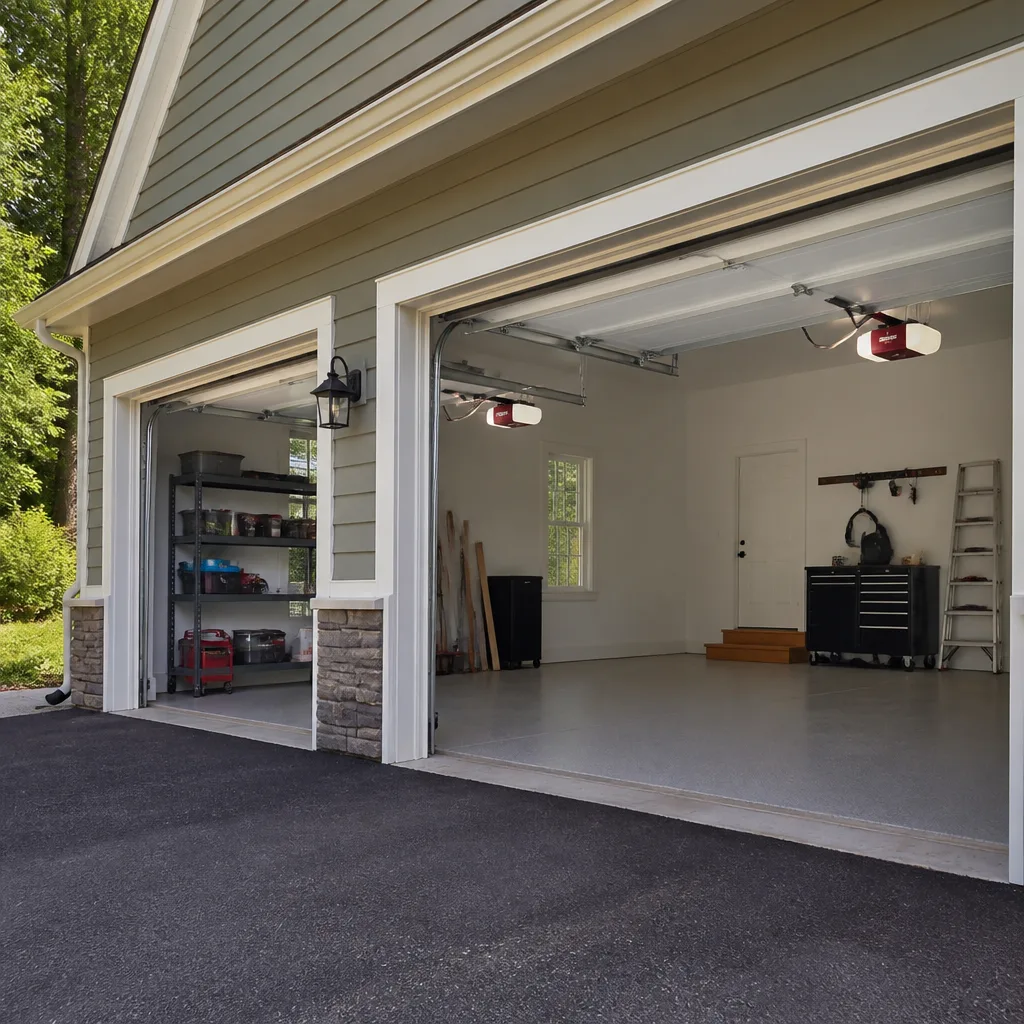
 LiftMaster openers
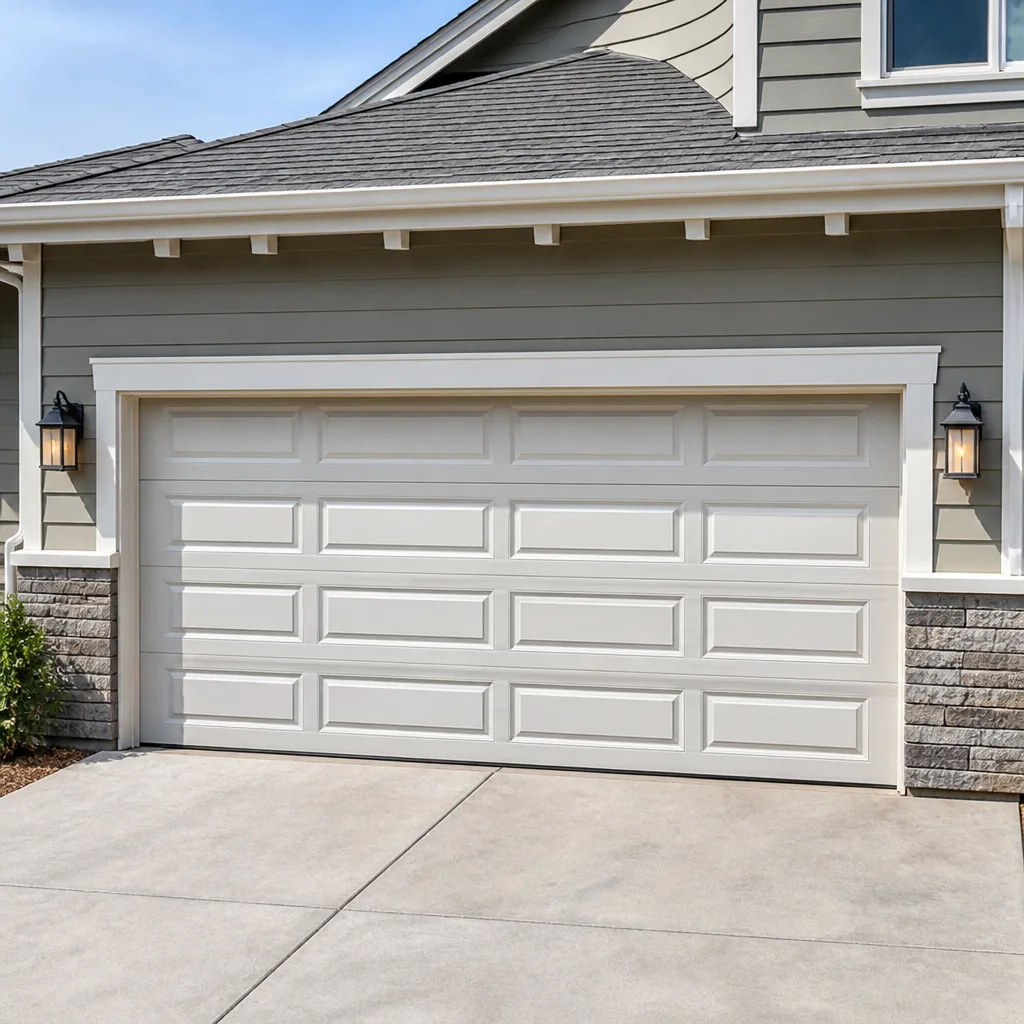 Raised-panel steel
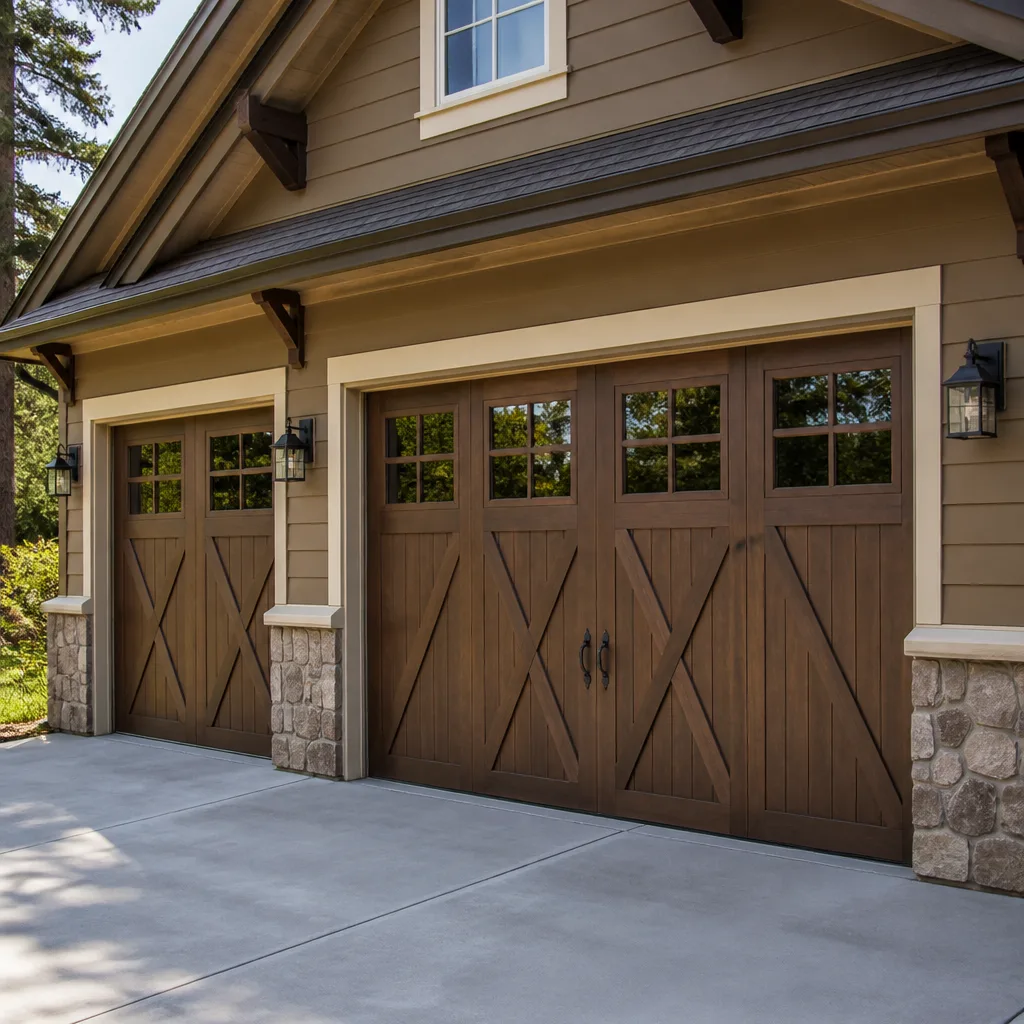 Carriage house
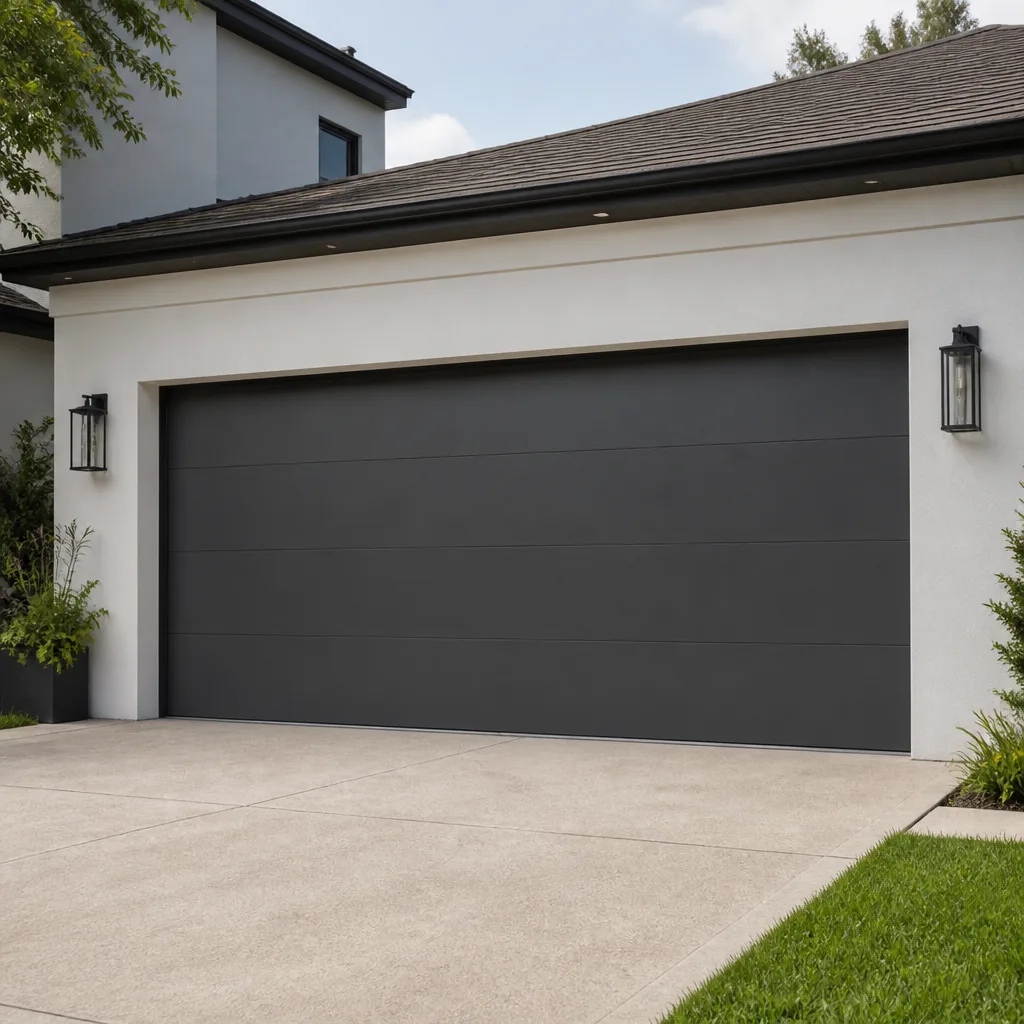 Modern flush
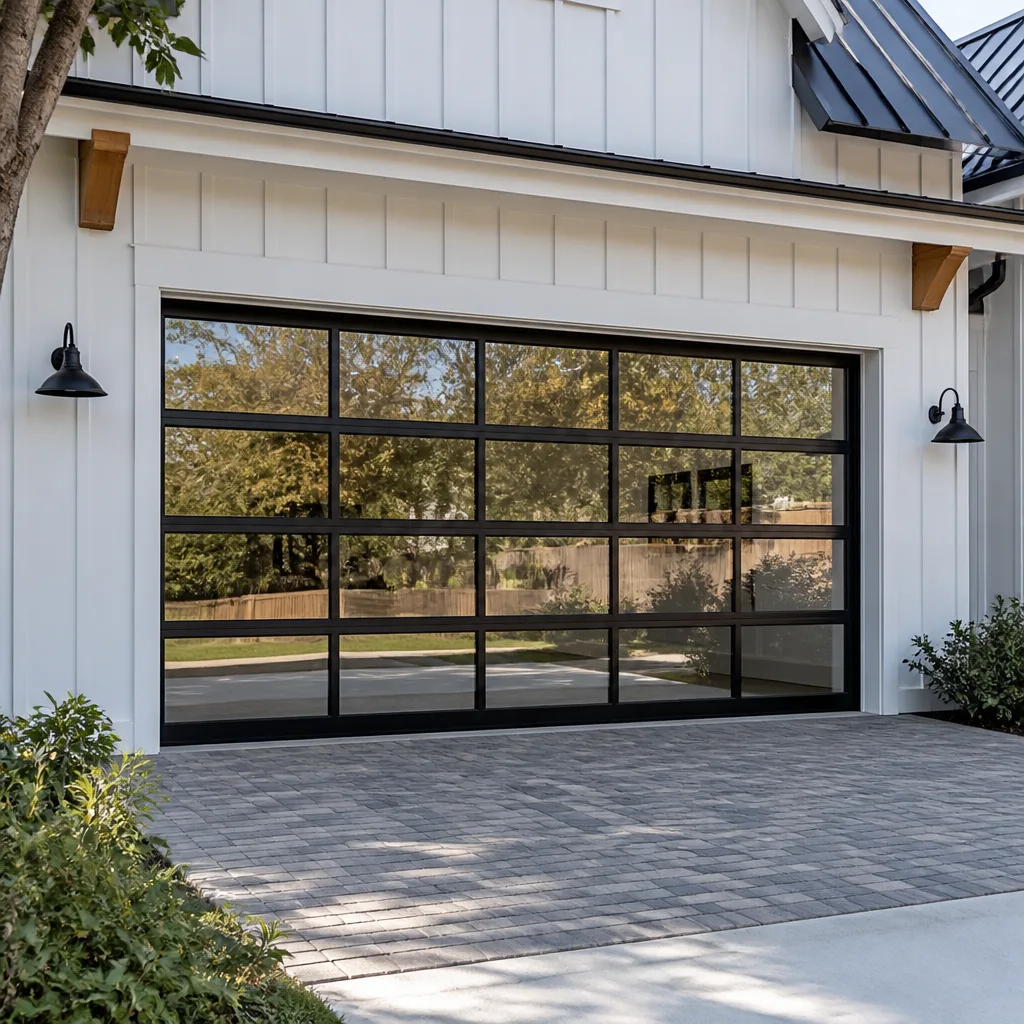 Full-view glass
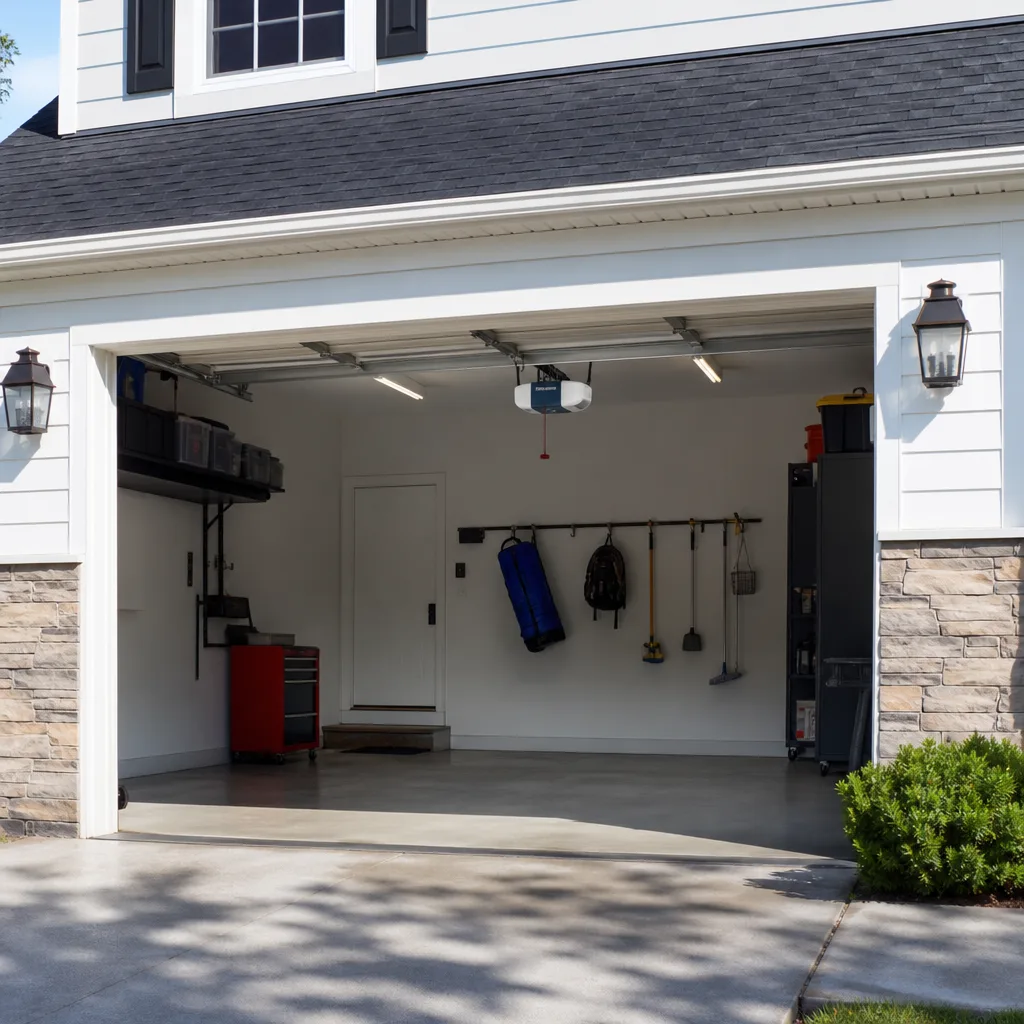 Chamberlain openers
Full 25-point door and opener safety check with every visit - springs, cables, rollers, tracks, and your LiftMaster or Chamberlain opener included
You get a price before we start. It does not change when the truck arrives.
Get your free estimateLiftMaster Opener Logic Board Repair: The Austin Owner’s Guide
A LiftMaster opener logic board repair in Austin typically runs $120 – $320 installed, and we carry the replacement boards on our trucks so the swap usually happens in a single visit. The logic board is the brain of your opener: it reads the signal from your remotes and wall button, tells the motor when to start and stop, and manages the safety sensors. When it fails, your opener either goes completely dead or starts acting like it has a mind of its own.
Most Austin homeowners discover the problem one of three ways: the opener won’t respond to any remote or wall button, the door starts and stops erratically, or the opener runs but won’t move the door at all. Marcus Ellery has seen all three patterns dozens of times across Austin, from Mueller to Steiner Ranch, and the logic board is the culprit more often than people expect.
Which LiftMaster Models This Applies To
We stock and install logic boards for the full LiftMaster residential lineup: the Chamberlain-built 41A and 41D series boards found in LiftMaster Professional, Estate, and Security+ 2.0 models. If your opener was made after about 1998, it’ll have a logic board with a part number printed right on the board itself, usually starting with 41A or 41D. You can find it stamped in white lettering near the wiring terminals. That number matters because LiftMaster made several board revisions within the same model line, and a board for a 1/2 HP chain drive won’t necessarily talk to a 3/4 HP belt drive.
Here’s the compatibility gotcha that trips up a lot of Austin DIYers: LiftMaster openers made before 2011 use the older 390 MHz radio frequency, while Security+ 2.0 models switched to a rolling-code system on a different protocol. A logic board from a newer opener won’t pair with your older remotes, and vice versa. We match the board to both your opener’s model number and the remote you’re using. On the OEM versus aftermarket question: we use genuine LiftMaster boards whenever they’re available, and quality aftermarket equivalents when the OEM board is discontinued. Both come with our written guarantee, but we’ll tell you upfront which one you’re getting and why.
Styles & brands we work with
Signs Your LiftMaster Opener Logic Board Is Failing
- Opener is completely unresponsive. No click, no hum, no LED on the opener itself. If the outlet has power and the breaker hasn’t tripped, the board is the prime suspect, though we’ll always check the wall button wiring first since that’s a $20 fix versus a board swap.
- Door reverses immediately after touching the floor. This is often misdiagnosed as a travel limit issue. The board receives a signal from the RPM sensor and tells the motor to reverse. When the board’s relay sticks, it sends that reverse signal even when nothing’s wrong.
- Remotes work intermittently or only at close range. The receiver is built into the logic board. If you’re standing in the driveway pressing the remote three times before the door moves, the radio receiver on the board is degrading, not your remote’s battery.
- Opener runs but the door doesn’t move. You hear the motor spinning, but the chain or belt stays still. That’s the board failing to engage the drive gear, which is different from a stripped gear. A stripped gear grinds. A board failure is silent.
- LED lights on the opener blink in a pattern that isn’t in the manual. LiftMaster uses diagnostic blink codes, and a flash pattern that doesn’t match any documented code usually means the board itself is glitching, not the component it’s trying to diagnose.
See the difference
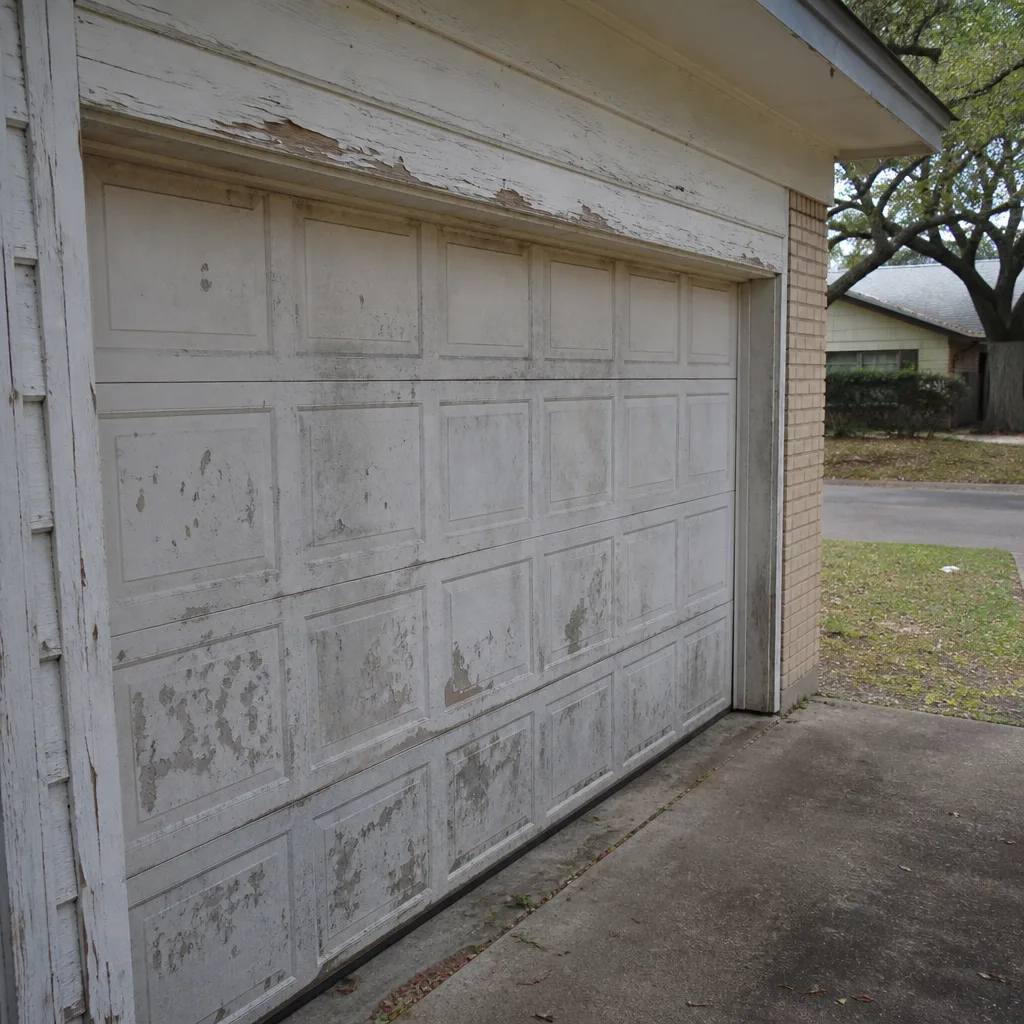 Before
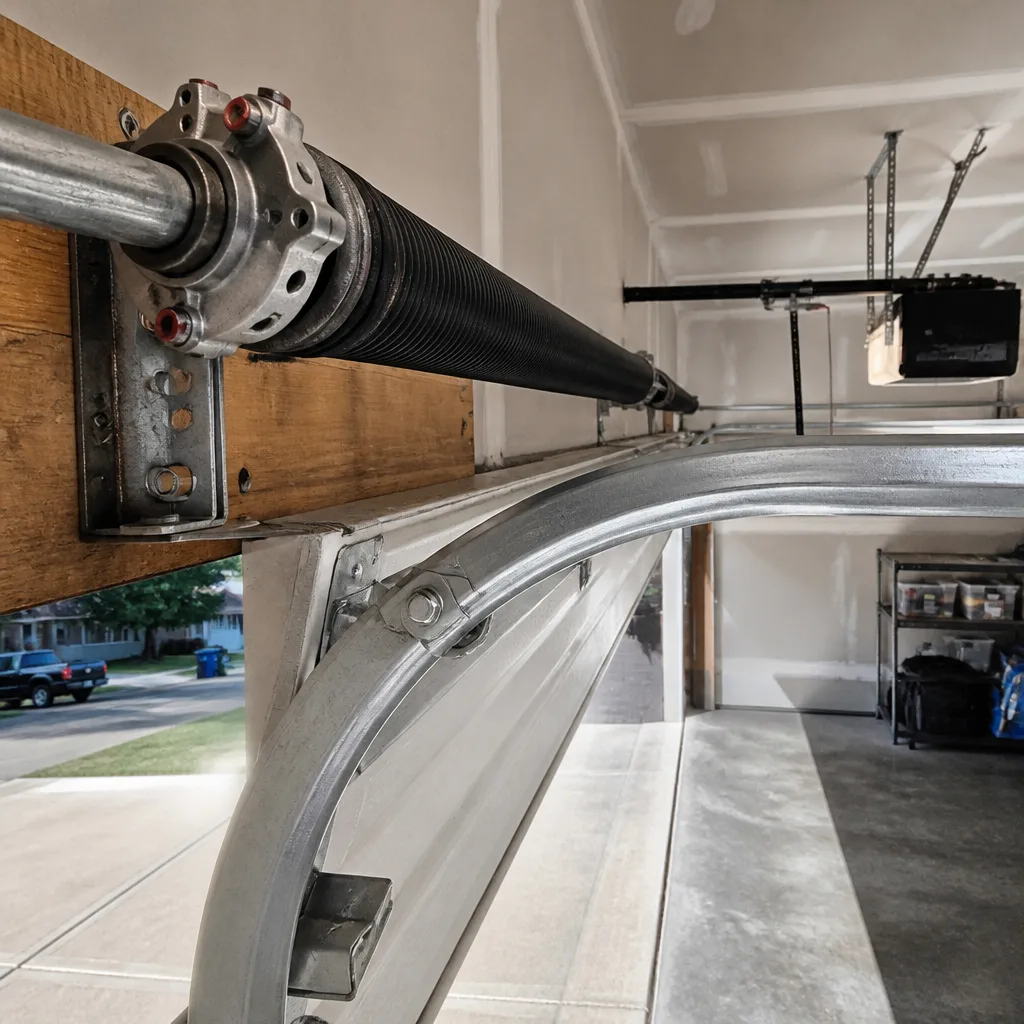 After
After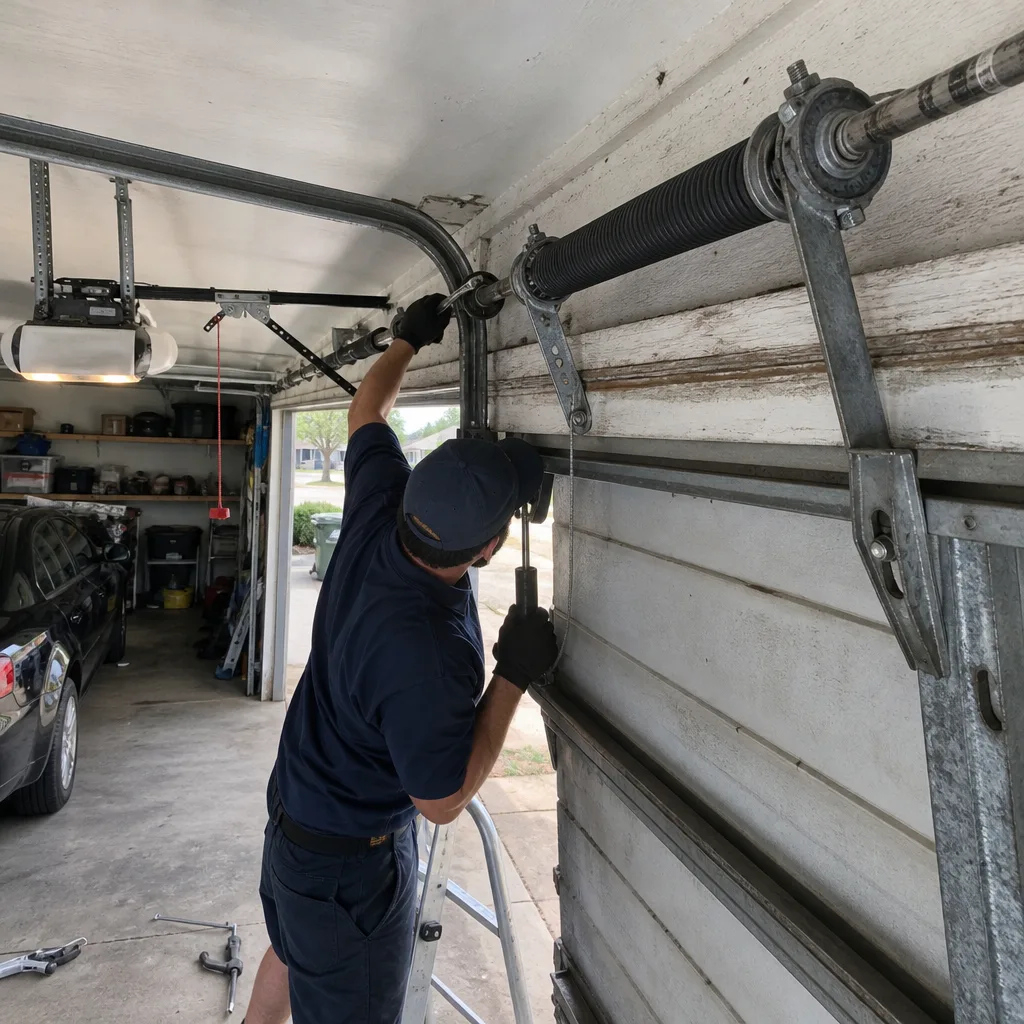 Before
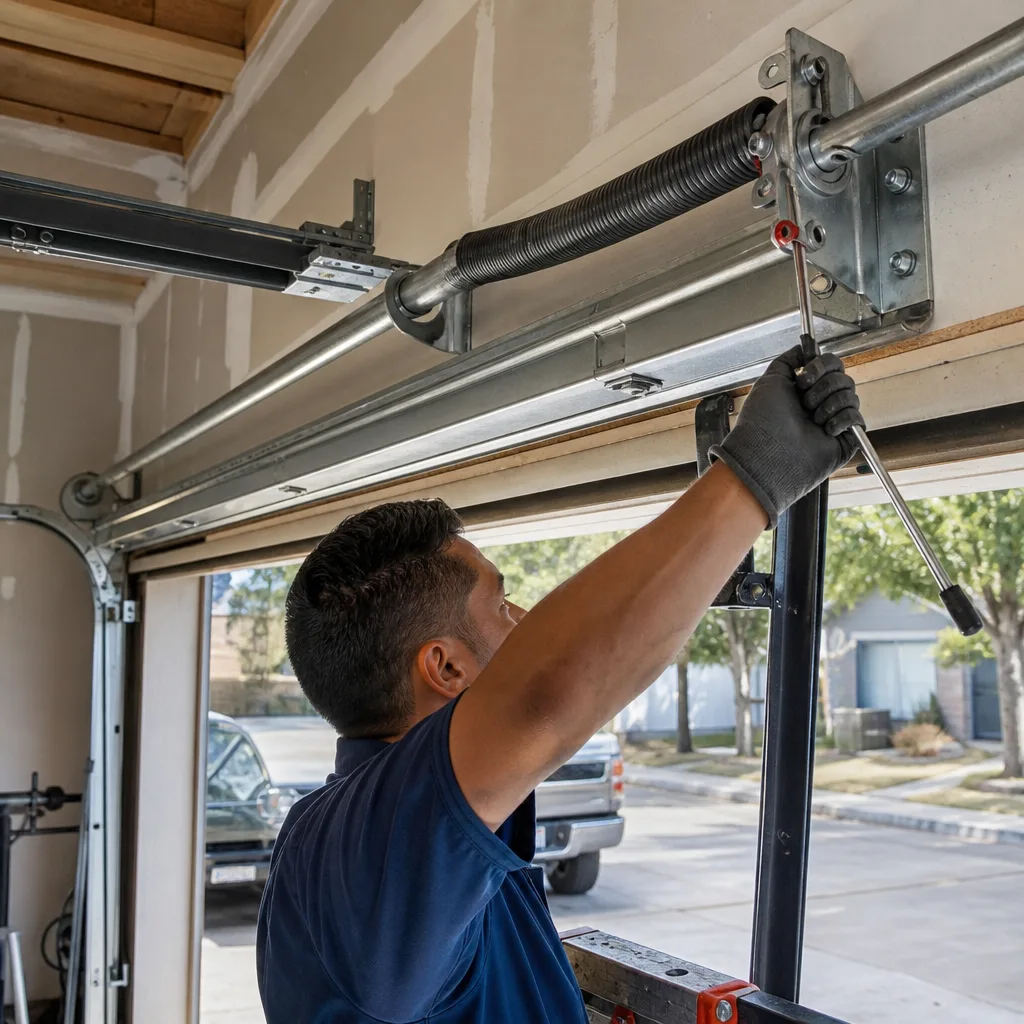 After
After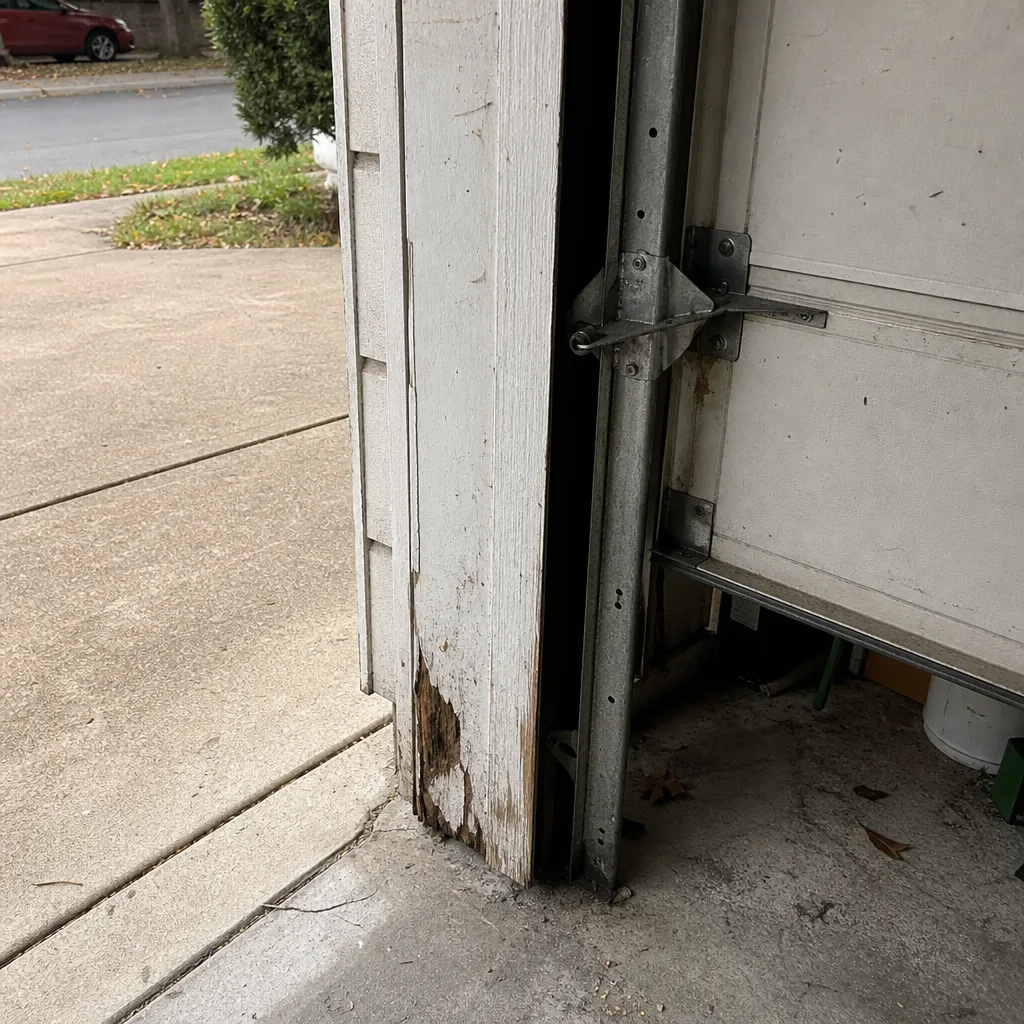 Before
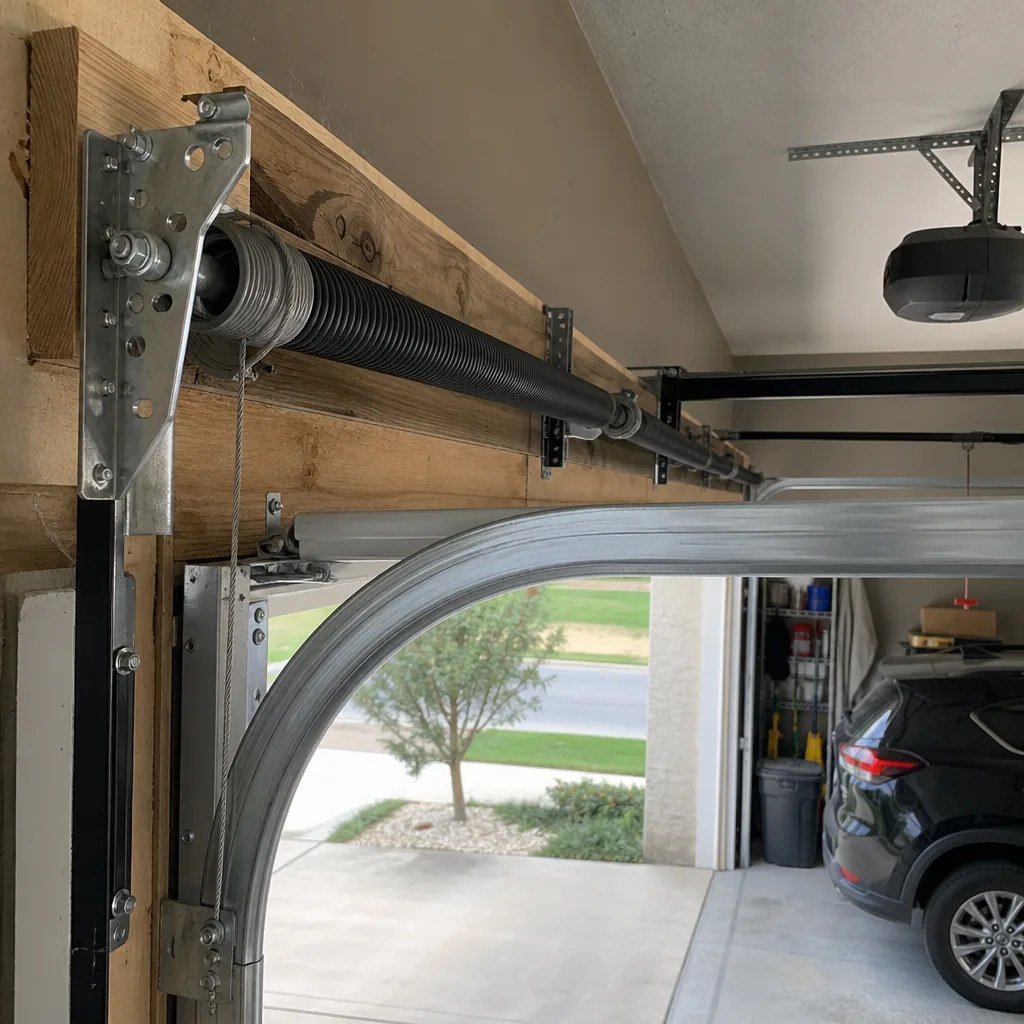 After
AfterReplacement Cost & What’s Included
In Austin, a LiftMaster logic board repair runs $120 – $320 installed, with the board itself accounting for most of that range. Genuine OEM boards for newer Security+ 2.0 models sit at the higher end. Aftermarket equivalents for older Professional series openers come in lower. Where your repair falls depends on which board your opener needs and whether we’re also replacing the wall button or any damaged wiring.
That price is parts and labor together, and it’s the price we quote and agree on before we touch anything. That’s the Kingswell Way: say the price before the work, show up in the window we gave you, leave the job site cleaner than we found it, and put the guarantee in writing. Every logic board we install carries the 365-Day Done Right Promise. If the board fails within a year, we come back and replace it at no charge. That’s not something we say at the door. It’s in writing on the invoice.
DIY or Call Us?
You can safely check a few things before you call: confirm the outlet has power, look for a blown circuit breaker, and check whether the wall button works when the remote doesn’t. Those checks take five minutes and they rule out the cheap fixes. What you shouldn’t do is open the opener housing and start probing the board with a multimeter. LiftMaster openers run on 120-volt household current, and the capacitor on the board holds a charge even after the unit is unplugged. That charge can knock you back hard.
Once we confirm the board is the problem, the swap itself is clean and quick for a trained technician. Most logic board replacements take under an hour. If you’ve already tried the basics and the opener is still dead, call us at (325) 246-2936. We’ll talk through what you’re seeing and tell you whether it sounds like a board, a sensor, or something simpler before we ever schedule the visit.
FAQs
In Austin, we see logic boards last 8 to 12 years on average, though hot summers and power surges can shorten that. Austin’s frequent summer thunderstorms mean openers without surge protection take more hits to the board than they would in a milder climate. If your opener is past the 10-year mark and the board fails, we’ll give you an honest comparison between a board replacement and a full opener replacement so you’re not sinking money into a unit that’s nearing the end of its service life.
Sometimes a failed capacitor or a burned relay on the board can be replaced rather than swapping the whole board. But the truth is, component-level board repair on a LiftMaster opener usually costs as much as a replacement board once you factor in labor, and the repair doesn’t carry the same longevity. We’ll always tell you if your board looks repairable, and we’ll give you the cost for both options. Most Austin homeowners choose the replacement, and we understand why.
Most LiftMaster logic board replacements take 30 to 60 minutes once we’re on site. The board mounts with a few screws, the wiring terminals are labeled, and we re-pair your remotes and keypad before we leave. You’ll test the door with us standing there to make sure everything runs clean before we call the job done.
We carry the most common LiftMaster 41A and 41D boards on our trucks when we come to your Austin home, covering most Professional, Estate, and Security+ 2.0 models. If your opener needs a less common board, we source it same day from our Austin-area suppliers and get you scheduled within a day or two. Call (325) 246-2936 with your model number and we’ll confirm we can bring it on the first visit.
Written by Marcus Ellery, Owner, Bramwell Garage Doors Austin at Bramwell Garage Doors Austin, serving Austin and nearby areas.