
Last updated October 16, 2026
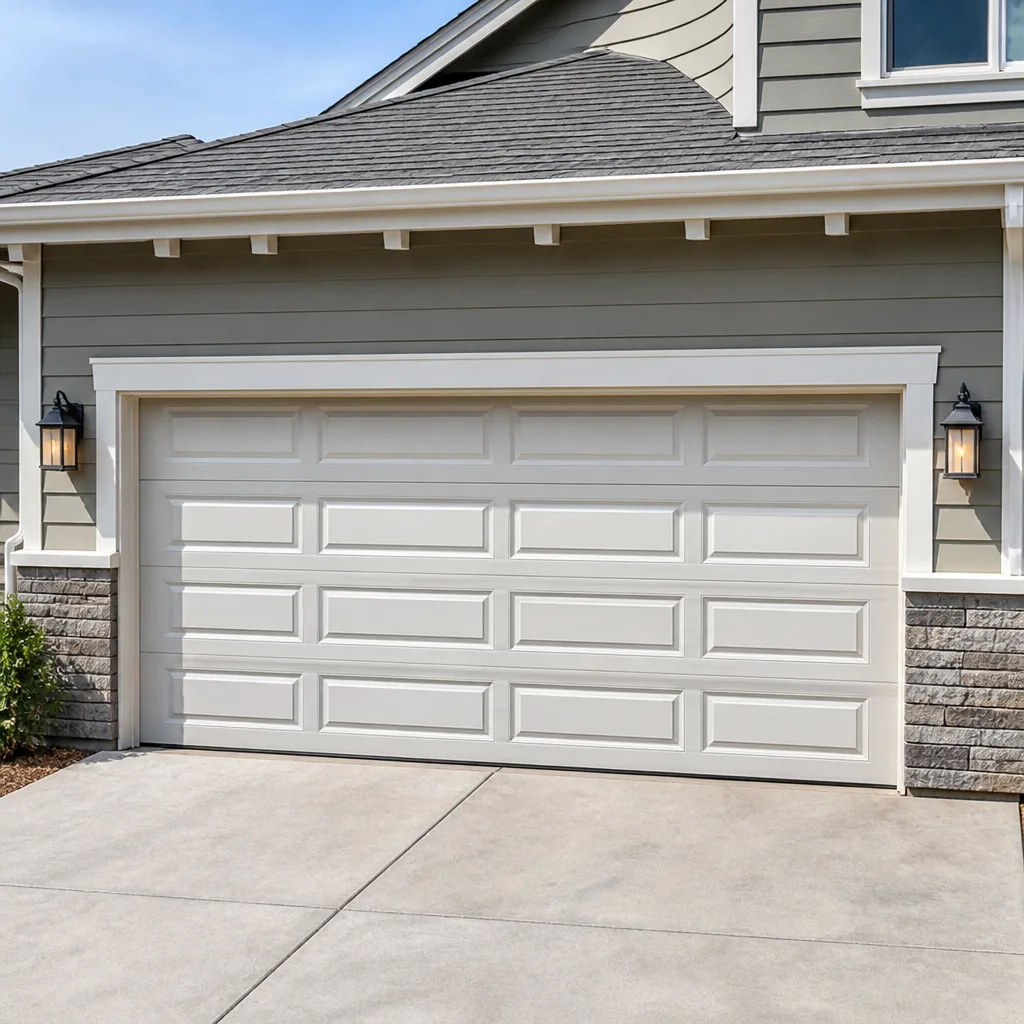 Raised-panel steel
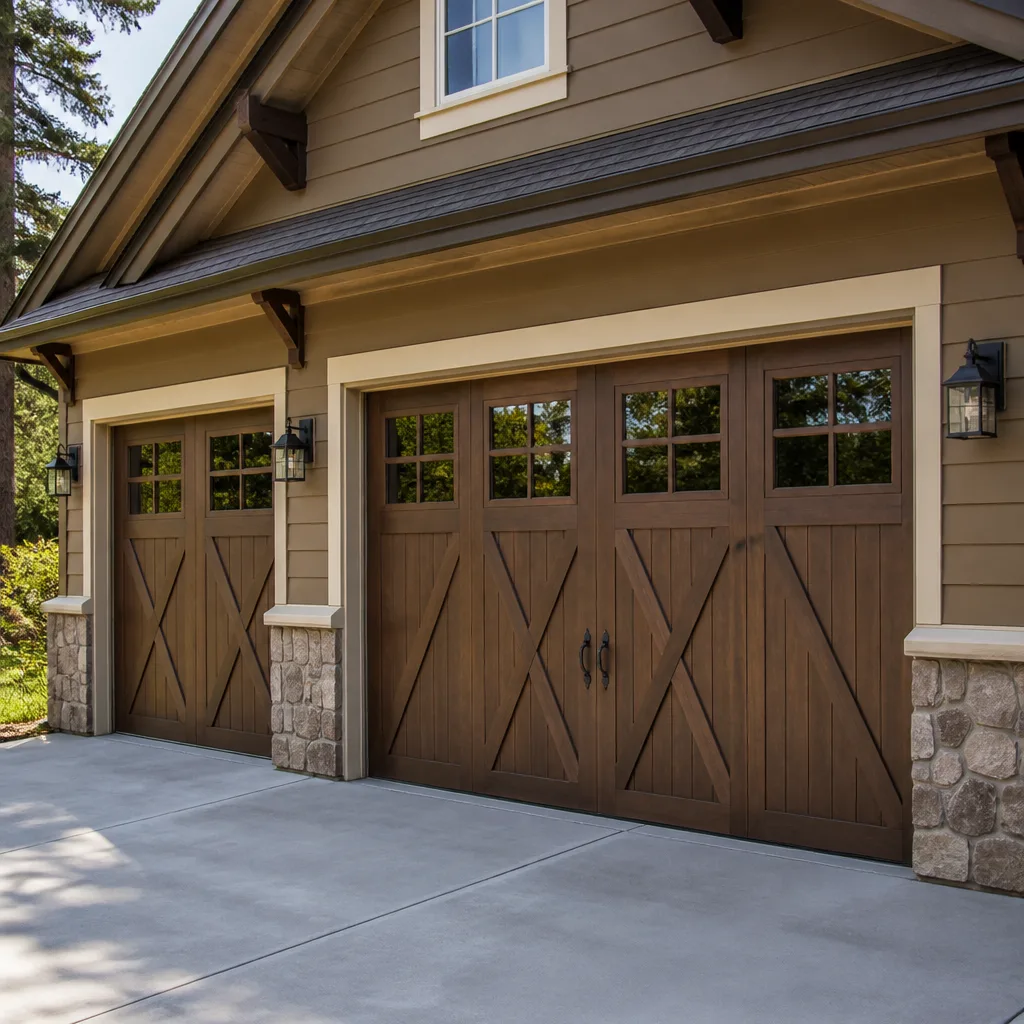 Carriage house
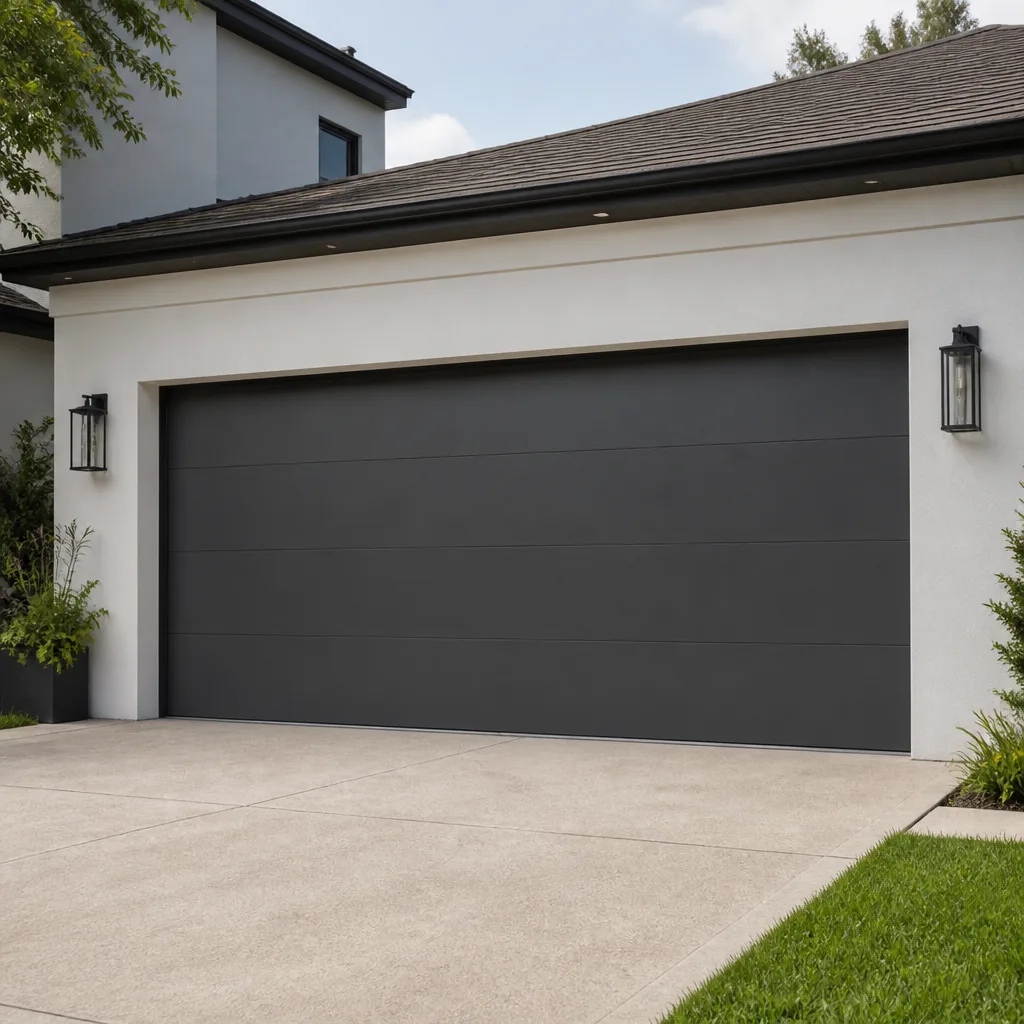 Modern flush
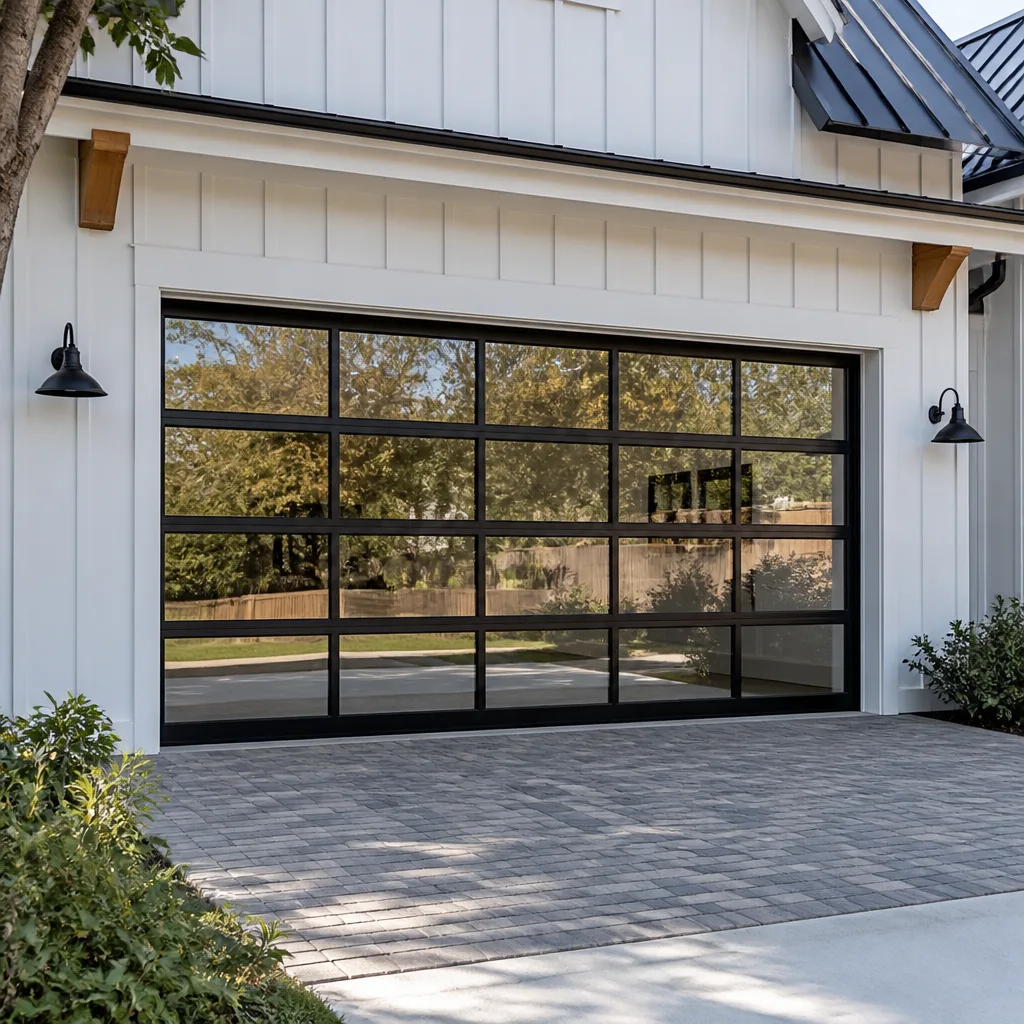 Full-view glass
 LiftMaster openers
 Chamberlain openers
Full 25-point door and opener safety check with every visit - springs, cables, rollers, tracks, and your LiftMaster or Chamberlain opener included
You get a price before we start. It does not change when the truck arrives.
Get your free estimateSeasonal Garage Door Care for Austin: Year-Round Homeowner’s Guide
Austin’s February ice storms cause more garage door failures than the entire summer combined. Frozen trolley carriages, brittle weatherseal, and moisture-swollen tracks generate more emergency calls in one week than triple-digit heat does all year. This guide gives Austin homeowners a practical maintenance calendar built around the city’s actual climate: two brutal seasons, two short transition windows, and no mild autumn to speak of.
Styles & brands we work with
Quick Answer
Seasonal garage door maintenance in Austin means preparing for extreme heat in May, watching for humidity damage in August, and weatherizing before freeze events between December and February. The essential tasks are lubricating moving parts twice a year, inspecting weatherseal after every freeze, and checking spring tension before summer heat arrives. Most homeowners can handle basic lubrication and visual checks in under 30 minutes, but torsion spring work and track realignment require a trained technician, as our DIY vs Professional Garage Door: The Austin Homeowner’s Decision Guide explains in detail.
Table of Contents
- Austin’s Climate Reality: Why Standard Maintenance Advice Fails Here
- Spring Prep: May Heat Is Your Garage Door’s First Test
- Summer Heat: Metal Fatigue and Opener Motor Strain
- The August Humidity Swing: What It Does to Your Door
- The Fall Window: 20 Minutes That Prevent Winter Calls
- Freeze Events: Why Austin’s Cold Snaps Hit Doors So Hard
- Post-Storm Inspection: Hail Damage vs. Normal Wear
- Cedar and Wood Composite Doors in Austin’s Climate
- Common Mistakes to Avoid
- When to Call a Professional
- Frequently Asked Questions
- The Bottom Line
Austin’s Climate Reality: Why Standard Maintenance Advice Fails Here
Generic garage door maintenance guides assume four equal seasons. Austin has two extremes and two brief transitions. July brings sustained 100-degree days that push metal to its thermal limit. February brings ice storms that arrive fast, last 48 to 72 hours, and then vanish, leaving behind swollen wood, cracked rubber, and trolley carriages that froze mid-travel and seized.
The result is a maintenance schedule that looks different from what a Minnesota or San Diego homeowner would follow. In Austin, you prepare for summer in April and May, monitor during the August humidity spike, weatherize in November, and stay alert for freeze events from late December through February. There is no “mild season” where the door can coast.
We see the same failure patterns year after year in Austin neighborhoods. Homes in Circle C and Steiner Ranch deal with opener motors that overheat in unconditioned garages. Older homes in Crestview and Allandale have wooden doors that swell in August humidity. Newer builds in Mueller and East Austin often have entry-level torsion springs that fatigue faster than the manufacturer’s rating suggests, simply because Austin heat accelerates metal wear.
The fix for all of this is not more work. It’s work done at the right time. The sections below walk through each season with specific tasks anyone can do, plus clear guidance on what to leave to a professional. For a broader look at garage door upkeep, see our Garage Door Repair in Austin guide, which covers troubleshooting common mechanical failures.
Spring Prep: May Heat Is Your Garage Door’s First Test
The first 100-degree day in Austin usually arrives in May, sometimes late April. That heat does not cause failures immediately. What it does is accelerate fatigue in components that are already weak. A torsion spring that would have lasted through October now snaps in July. A frayed cable that might have held until fall now breaks under the added thermal load.
The Complete Guide to Garage Door in Austin recommends completing spring maintenance by the first week of May. Here is the checklist we recommend to every homeowner we visit in this city:
- Listen to the door during a full open-close cycle. Squeaking means dry rollers. Grinding means a misaligned track or worn roller bearings. A metallic pop from the spring area means call a technician before the door is used again.
- Lubricate the rollers, hinges, and torsion spring. Use a white lithium grease or a garage-door-specific lubricant. Do not use WD-40. It displaces moisture but does not provide lasting lubrication, and it attracts dust that accelerates wear.
- Check the balance. Disconnect the opener using the red emergency release cord, then lift the door halfway by hand. It should hold position. If it drops, a spring has lost tension, and the opener is now doing work it was never designed for.
- Inspect the weatherseal along the bottom edge and sides. Summer heat makes rubber brittle. If the seal is cracked or separated, hot air and dust get in all summer.
- Test the auto-reverse safety feature. Place a 2×4 flat on the ground under the door and close it. The door should reverse within two seconds of contact. This is a safety system, not an optional feature.
If any of these checks fail, address it before the real heat arrives. A door that is slightly off-balance in May will be visibly sagging by August. For balance issues and spring concerns, our Garage Door Spring Repair in Austin page explains what a spring replacement involves and what it costs.
One more thing specific to Austin spring: pollen. It coats every horizontal surface, including the top edges of your door panels and the opener rail. Wipe the rail down with a dry cloth during spring maintenance. Pollen mixed with garage dust creates a paste that binds the trolley carriage over time.
Summer Heat: Metal Fatigue and Opener Motor Strain
Austin summers push garage air temperatures into the 110 to 120 degree range in unconditioned garages. That heat does two things to a garage door system at the same time. First, the metal parts expand. Tracks, hinges, and the torsion spring all grow slightly in the heat, which changes the tolerances the door was adjusted to in cooler weather. Second, the opener motor runs hotter than it was designed to, because it is pulling a door that is fighting thermal expansion.
The thermal limit on most residential opener motors is 150 degrees internal temperature. In a 115-degree Austin garage, the motor starts every cycle already near 125 degrees. On a hot afternoon, a long run with a stiff door can push the motor past its limit, triggering the thermal overload switch. That is the most common cause of an opener that stops working in the late afternoon and mysteriously works again by morning.
Preventative tasks for Austin summer:
- Ventilate the garage if possible. Even cracking the side door or installing a vent makes a measurable difference in motor longevity. Garage ceiling fans also help, though the opener motor itself is the main concern.
- Lubricate more often. Summer heat thins lubricants, which means they run off metal surfaces faster. A spring lubed in May should be checked again in July.
- Watch for track expansion. If the door starts to bind or slow mid-travel during the hottest part of the day but operates normally in the evening, the track may be expanding against a too-tight mounting bracket. This is a repair call, not a DIY adjustment, because track brackets are under tension.
- Inspect the torsion spring for surface rust. Heat accelerates oxidation. Surface rust is not immediately dangerous, but it indicates the spring coating is failing, which shortens the spring’s life.
If your opener motor trips its thermal overload repeatedly, the cause is usually not the motor. It is a door that requires too much force to move, which shifts the problem back to balance and spring condition. Fixing the root cause costs less than replacing an overheated opener. For a full look at opener failure patterns, visit our main Bramwell Garage Doors Austin home page and browse the repair resources.
The August Humidity Swing: What It Does to Your Door
June and July are dry heat. August is different. Humidity climbs, overnight lows stay in the high 70s, and wood and wood composite materials absorb moisture from the air. That moisture causes expansion. A wooden door that fit perfectly in late July may stick, scrape, or refuse to close in mid-August.
Steel doors are largely immune to humidity, which is why they dominate new construction in Austin. But the weatherseal at the bottom of the door is not immune. High humidity softens some rubber compounds, and combined with heat, the seal can deform or tear. A torn bottom seal in August means the garage takes on humid air at night, which condenses on cool concrete floors and creates the musty odor many Austin homeowners notice in their garages in September.
What to watch during the August humidity spike:
- Wood door sticking. If a wood door is sticking on one side, note which side and when. Morning sticking that disappears by afternoon is moisture expansion. Persistent sticking may be track misalignment.
- Bottom seal separation. Run a hand along the inside bottom edge of the door while it is closed. If you feel daylight or moving air, the seal has separated or torn.
- Rust forming on panel edges. Steel doors with scratches or worn paint edges will rust faster in humid August. Touch-up paint on the lower panels is cheap prevention.
Wood and composite doors need the most attention during this window. Brands like Clopay, Amarr, and Wayne Dalton all use different composite materials, and each handles humidity differently. Clopay’s wood composite doors, for instance, are engineered to resist moisture expansion better than solid wood. But “resistant” is not “immune.” Any wood-based door in Austin will move with humidity, and the fix is usually adjustment rather than replacement.
The Fall Window: 20 Minutes That Prevent Winter Calls
Austin’s fall window runs from mid-October to late November. It is the shortest and most valuable maintenance window of the year, because the work you do here determines whether the first freeze event of winter causes problems or passes without incident.
Here is the 20-minute fall routine we recommend for every Austin homeowner, in order of importance:
- Replace the bottom weatherseal if it shows any cracking, tearing, or flattening. This is the single most important winter-prep task in Austin, because a failed seal is how cold air, water, and ice get under the door. A new seal costs around $12 to $20 at any hardware store. The damage it prevents costs hundreds.
- Lubricate every moving part: rollers, hinges, springs, and the opener rail. Cold weather thickens lubricants. A fresh application in November sits on the metal and stays put through the season.
- Inspect the trolley carriage and opener rail for dirt buildup. The trolley is the part that slides along the rail and pulls the door. Dirt trapped in the rail is the number one cause of trolley freeze during Austin ice events, because moisture condenses inside the accumulated grime and freezes solid.
- Check the door’s balance again. A door that is balanced in November will perform better in February, because the opener motor will not be fighting a heavy door in cold weather when every part is more brittle.
- Clear leaves and debris from the bottom track corners. Austin’s live oaks drop leaves in the fall, and those leaves collect in the corners of the track. Wet leaves freeze in place and can derail a door.
The $12 weatherseal fix deserves a closer look, because it is the single highest-leverage maintenance task in Austin. When ice forms under a door with a cracked seal, the door freezes to the concrete. When the opener tries to lift it, the bottom panel flexes, the seal rips off entirely, and in the worst cases, the panel itself cracks. Replacing the seal takes 10 minutes. Replacing a bottom panel on a modern door costs several hundred dollars and sometimes requires a Garage Door Installation in Austin if the panel is no longer in production.
Freeze Events: Why Austin’s Cold Snaps Hit Doors So Hard
Winter in Austin is not consistently cold. It is punctuated. A freeze event drops temperatures below freezing for 24 to 72 hours, then temperatures rebound to the 50s. That freeze-thaw cycle is more damaging to a garage door than a solid two months of Minnesota winter, because the door’s components expand and contract repeatedly in a short window.
The parts that fail most often during Austin freeze events, in order of frequency:
- Trolley carriages. The trolley is the sliding component attached to the opener rail. It has small internal wheels or bushings, and when those parts are dirty or dry, moisture freezes inside them and the carriage locks to the rail. The opener motor hums, the belt or chain jumps, and the door does not move.
- Weatherseal. Rubber gets stiff in cold temperatures. A seal that was cracked in November has torn by February.
- Extension spring cables. Older doors with extension springs have cables that run through pulleys. Ice forms on the pulleys, the cable jumps the track, and the door becomes difficult or impossible to open safely.
- Hinges. Repeated freeze-thaw cycles loosen hinge bolts over time, especially on wooden doors where the wood expands and contracts around the bolts.
The fastest prevention is the fall checklist above, particularly the lubrication of the trolley rail and the replacement of worn weatherseal. If a freeze event has already started and the door will not open, do not force it. Forcing a frozen door with a manual lift or a second opener attempt can bend the trolley bracket or snap an extension spring cable. Wait for the temperature to rise, or call a professional who can thaw the specific component safely.
One more freeze consideration: garage door springs lose tension faster in cold weather because metal contracts. If a spring is already near the end of its life, the first hard freeze of the year is often what finishes it. If your door is slow to open during a cold snap, that is the spring losing tension before it fails entirely. You want to address that before the spring snaps, because a snapped torsion spring is the most dangerous failure a garage door can have. We cover this in detail on our Garage Door Spring Repair in Austin page.
Post-Storm Inspection: Hail Damage vs. Normal Wear
Austin gets significant hail events, mostly in the spring and early summer. A hailstorm that damages cars and roofs also hits garage doors, and the damage pattern matters. Hail impact on a garage door shows up as dents, chipped paint, or, on wooden doors, splintered or cracked panel faces. That damage is cosmetic in most cases.
Track misalignment from hail is different, and it is a safety issue. A direct hail impact to a track or mounting bracket can knock the track out of alignment by a fraction of an inch. That small shift changes how the door moves through its travel. You will notice it as a door that slows at a certain point, scrapes against the track, or jerks when the rollers pass through a specific section.
Here is how to distinguish hail damage from normal wear:
- Hail dents have a pattern. Multiple small dents spread across a panel face usually indicate hail. A single crease along a panel edge is more likely impact from a vehicle or collision.
- Track misalignment after a storm. If the door was operating normally before a hail event and is now binding, scraping, or making noise in a specific section of travel, inspect the track and brackets for impact marks. Hail strikes leave small dents or paint chips on the metal.
- Normal wear is gradual. A door that slowly develops a wobble or noise over weeks is showing roller or hinge wear. A door that changes behavior overnight after a storm is showing impact damage.
If hail has knocked a track out of alignment, stop using the door. A misaligned track can allow a roller to exit the track entirely, which then allows the door to drop. Torsion springs under tension are the most hazardous part of the system, and a door that has come off its track puts immediate strain on the spring, the cables, and the panels. This is a professional repair, not a homeowner adjustment. Every Bramwell technician in Austin carries the equipment to realign tracks and re-tension springs on site, which means the repair usually happens in a single visit.
Cedar and Wood Composite Doors in Austin’s Climate
Cedar doors and wood composite doors have a loyal following in Austin, especially in central neighborhoods like Hyde Park, Tarrytown, and Travis Heights, where architectural character matters. They also behave differently in this climate than steel doors, and understanding that difference prevents unnecessary calls and expensive panel replacements.
Cedar absorbs and releases moisture on a seasonal cycle. In dry July, cedar panels shrink slightly. In humid August, they expand. This movement is normal, but it means the door’s hardware needs periodic adjustment. Hinges that are tight when the wood is expanded will be loose when it contracts, and a door that is adjusted perfectly in August will sit differently in February.
Wood composite doors, such as those from Clopay, Amarr, or Wayne Dalton, are manufactured from wood fibers bonded with resins. They expand less than solid cedar but still respond to Austin’s humidity swing. The expansion is smaller, but it is not zero, and the same seasonal adjustment principles apply.
Specific guidance for wood and composite doors in Austin:
- Schedule adjustments twice a year. Once in the spring when the wood has settled into dry-season dimensions, and once in early fall when the humidity has tapered off. This keeps the door balanced without fighting seasonal movement.
- Seal the bottom edges. The bottom panel of a wooden door sits closest to concrete, which holds moisture. Paint or seal the bottom edge of every panel, not just the exterior faces. Bare wood edges absorb ground moisture directly.
- Watch for hinge fasteners pulling out. Wood expansion and contraction works hinge screws loose over time. Loose screws lead to crooked mounting and additional stress on the screw holes. If a screw will not stay tight, it usually needs a slightly larger screw or a filler repair.
- Do not use petroleum-based lubricants on wooden door hardware. They stain wood surfaces. Use silicone-based lubricants on any part that contacts the wood.
We work on cedar and composite doors throughout Austin, and the same pattern emerges every year: the doors that get two adjustments a year last twice as long as the ones adjusted only when something goes wrong. Craftsmanship matters on these doors. Brands like Clopay and Amarr build good products, but the installation and ongoing adjustment determine the lifespan.
Common Mistakes to Avoid
- Using WD-40 on garage door parts. WD-40 is a penetrant and water displacer, not a lubricant. It strips existing lubrication and attracts dust. Use white lithium grease or a silicone spray.
- Ignoring a slow-moving door in cold weather. In Austin, a door that moves slower during a freeze event is showing spring fatigue. Ignoring it often means the spring fails completely within a week or two, and spring failure is a safety hazard.
- Lubricating the track itself. The track is not supposed to be lubricated. Rollers move on the track, and track lubricant collects dirt that then grinds against the roller bearings. Lubricate the rollers, not the track.
- Testing the auto-reverse feature once and forgetting about it. Austin households with children and pets should test the safety reverse monthly. It takes 30 seconds and is the safety system most likely to prevent an accident.
- Trying to adjust torsion springs without proper training. Torsion springs hold enormous stored energy. A homeowner attempting to adjust or replace one without the right winding bars and experience can be seriously injured. Most spring-related injuries in the U.S. happen to do-it-yourselfers.
- Waiting until a freeze event to weatherproof the door. The day before an ice storm, hardware store weatherseal kits sell out, and technicians in Austin book up within hours. November is the time to prepare, not February.
When to Call a Professional
Some garage door tasks are safe for homeowners. Lubrication, weatherseal replacement, visual inspection, and balance testing are all reasonable for a capable person. Other tasks are not, and the line between the two categories is clearest with torsion springs and tracks. A torsion spring under load holds enough stored energy to cause serious injury if mishandled. A misaligned track under load can drop a door without warning. Neither is a weekend project.
Call a professional when you hear a loud snap from the spring area, when the door is visibly crooked during travel, when the door comes off its track, when a cable frays or breaks, or when the opener motor trips its thermal overload more than once in a day. In any of these situations, the safest move is to leave the door in whatever position it is in, disconnect the opener if possible, and call someone who works on these systems every day. Bramwell Garage Doors Austin offers free estimates for Austin homeowners. Call (325) 246-2936 and a live person answers, any hour, any day.
Frequently Asked Questions
Twice a year at minimum, in early May and mid-November. Austin’s summer heat thins lubricants and the freeze-thaw cycle in winter stresses dry metal parts. If your garage is unconditioned and faces west, a third lubrication in August is reasonable.
Moisture condenses on the bottom weatherseal and freezes, bonding the door to the concrete. A cracked or flattened seal makes this almost guaranteed. Replacing the seal before winter is the cheapest prevention available. If the door is already frozen shut, do not force the opener; wait for temperatures to rise above freezing or call a technician.
Most torsion spring replacements in Austin run $180 to $320 for a single spring, parts and labor included, depending on the spring’s size and the door’s weight. A pair of springs typically runs $300 to $500. Every Bramwell job includes a written price before work starts, so the number you are quoted is the number you pay. Call (325) 246-2936 for an exact quote.
For most Austin homeowners, yes. Steel doors are largely immune to the humidity swings that cause wood doors to expand and contract seasonally. They also require less adjustment over time. That said, wood composite doors from manufacturers like Clopay and Wayne Dalton hold up well in Austin if they are adjusted twice a year. The choice depends on your priorities: low maintenance versus architectural character.
Yes. Bottom weatherseal replacement is a straightforward homeowner task that requires no special tools and costs less than $20 for most doors. The seal slides into a channel along the bottom edge of the panel. If the existing seal is torn or flattened, pull it out and slide the new one in. Side seal replacement is also manageable for most, though the bottom seal matters most in Austin.
Disconnect the opener using the emergency release cord, usually a red handle hanging below the opener rail. Lift the door to the halfway point and let go. A balanced door holds in place or moves very slowly. If it drops, the spring is losing tension. If it climbs, the spring is over-tensioned. Both conditions need professional attention, and in Austin the heat accelerates the underlying spring fatigue. Call (325) 246-2936 for a balance diagnosis – the estimate is free.
The Bottom Line
Seasonal garage door care in Austin is not about doing more work. It is about doing the right work at the right time, built around the city’s extreme heat and rare but damaging freezes. Lubricate in May and November. Replace weatherseal before winter. Test the door’s balance twice a year. Pay attention when the door’s behavior changes after a storm or a cold snap. Most of what we fix in Austin started as a small problem that seasonal attention would have caught. The door tells you when something is wrong. The maintenance calendar above is how you listen before it becomes an emergency, and when it does become one, our team in Austin answers the phone at (325) 246-2936 with a real person, 24 hours a day.
Written by Marcus Ellery, Owner at Bramwell Garage Doors Austin, serving Austin since 2001. For more guides & resources, visit our blog.
See the difference
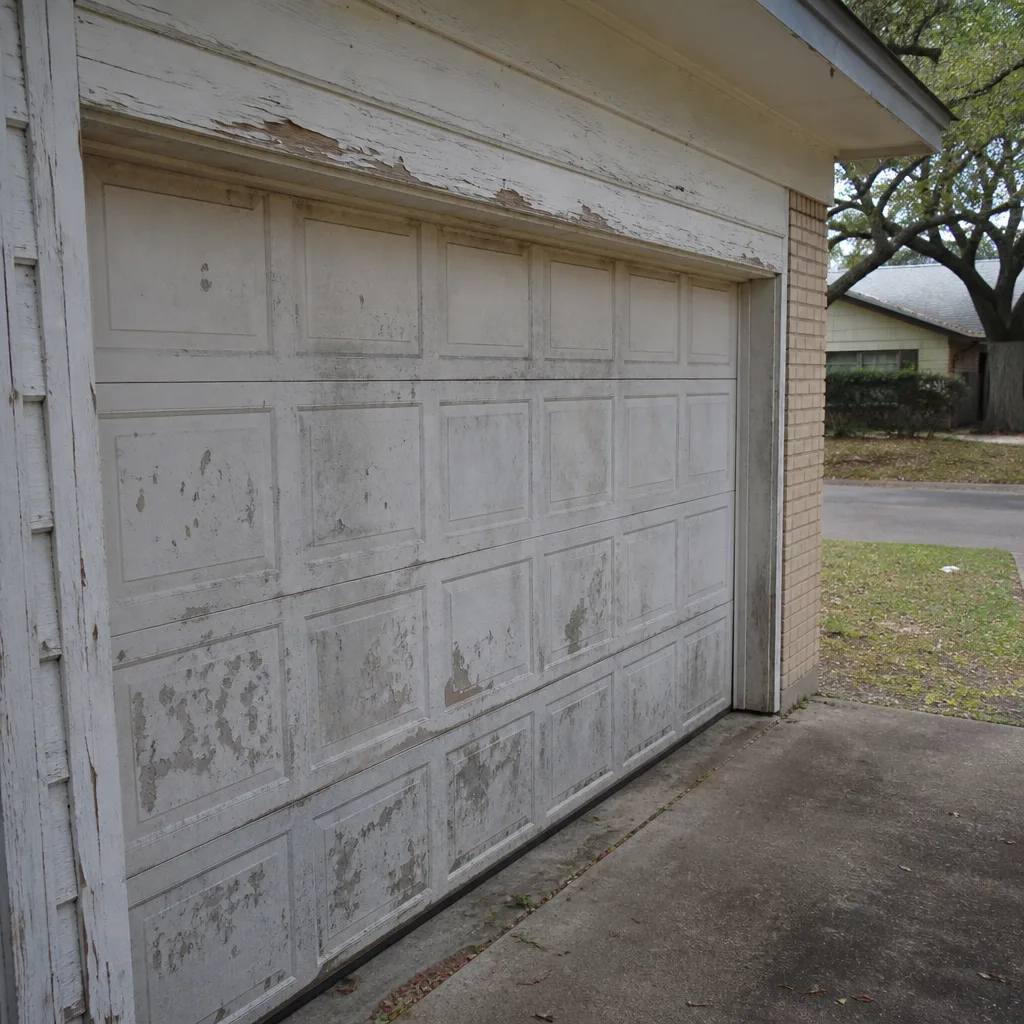 Before
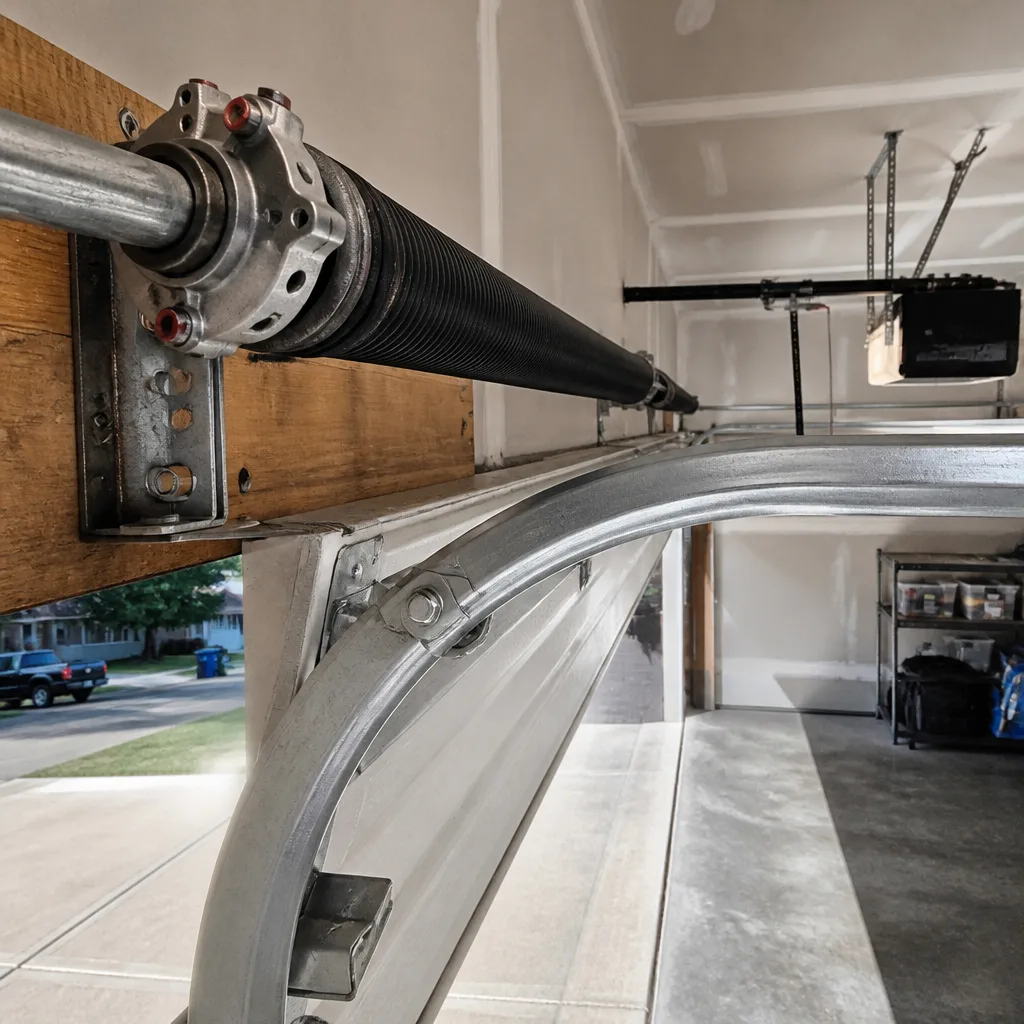 After
After Before
 After
After Before
 After
After