
Last updated October 16, 2026
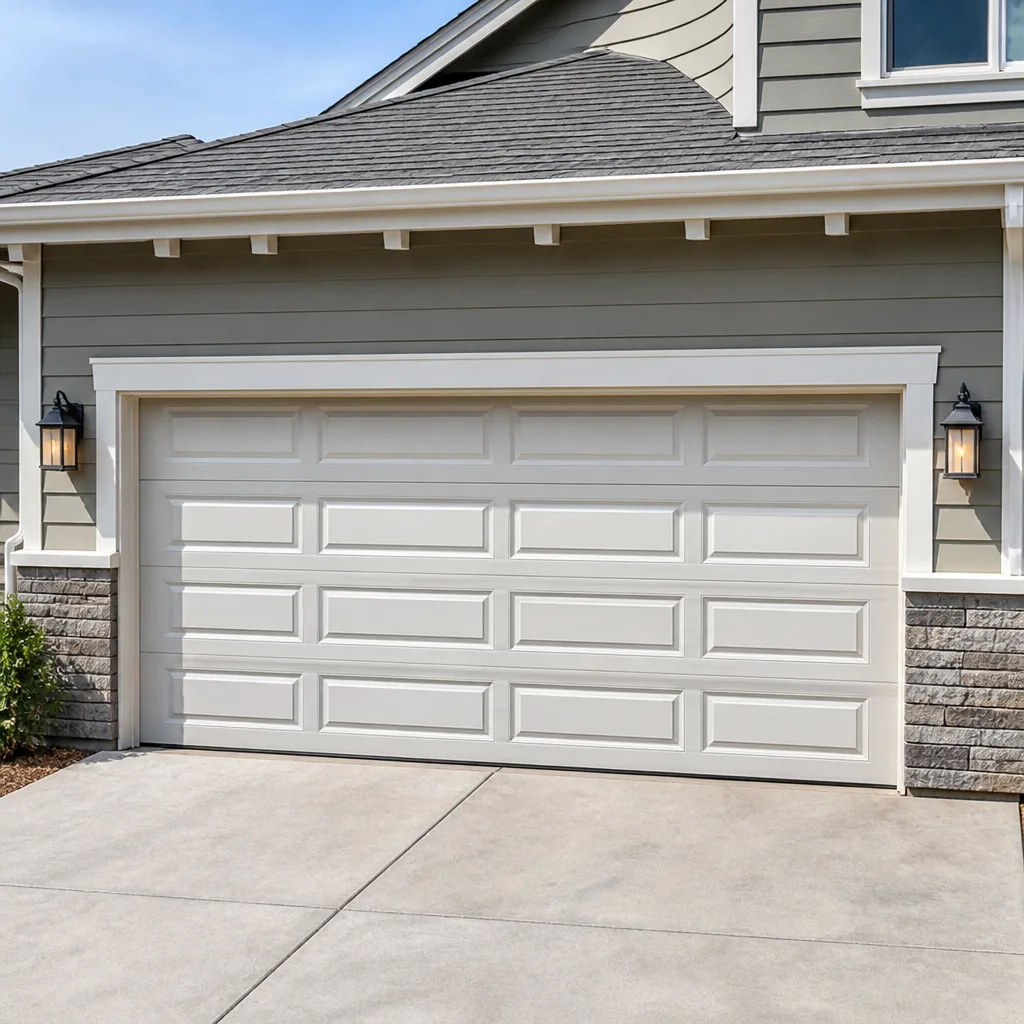 Raised-panel steel
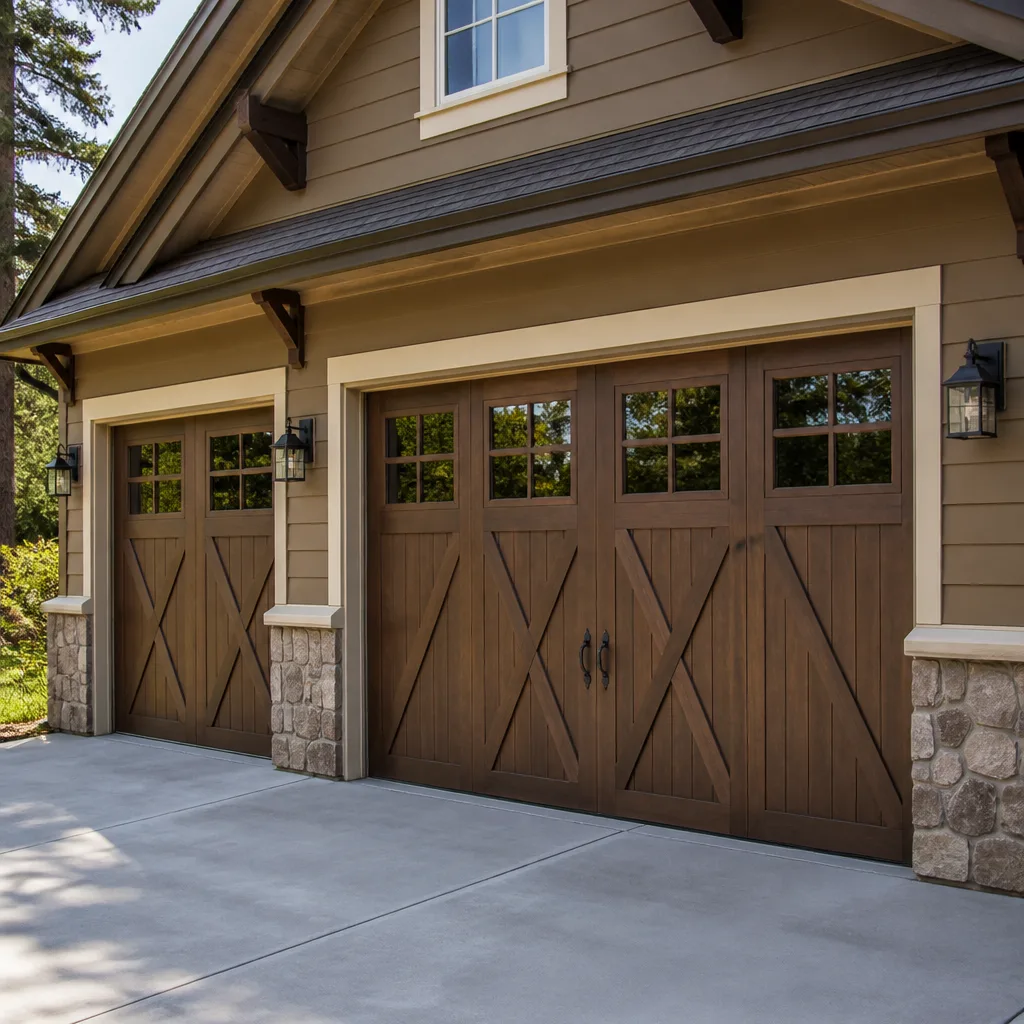 Carriage house
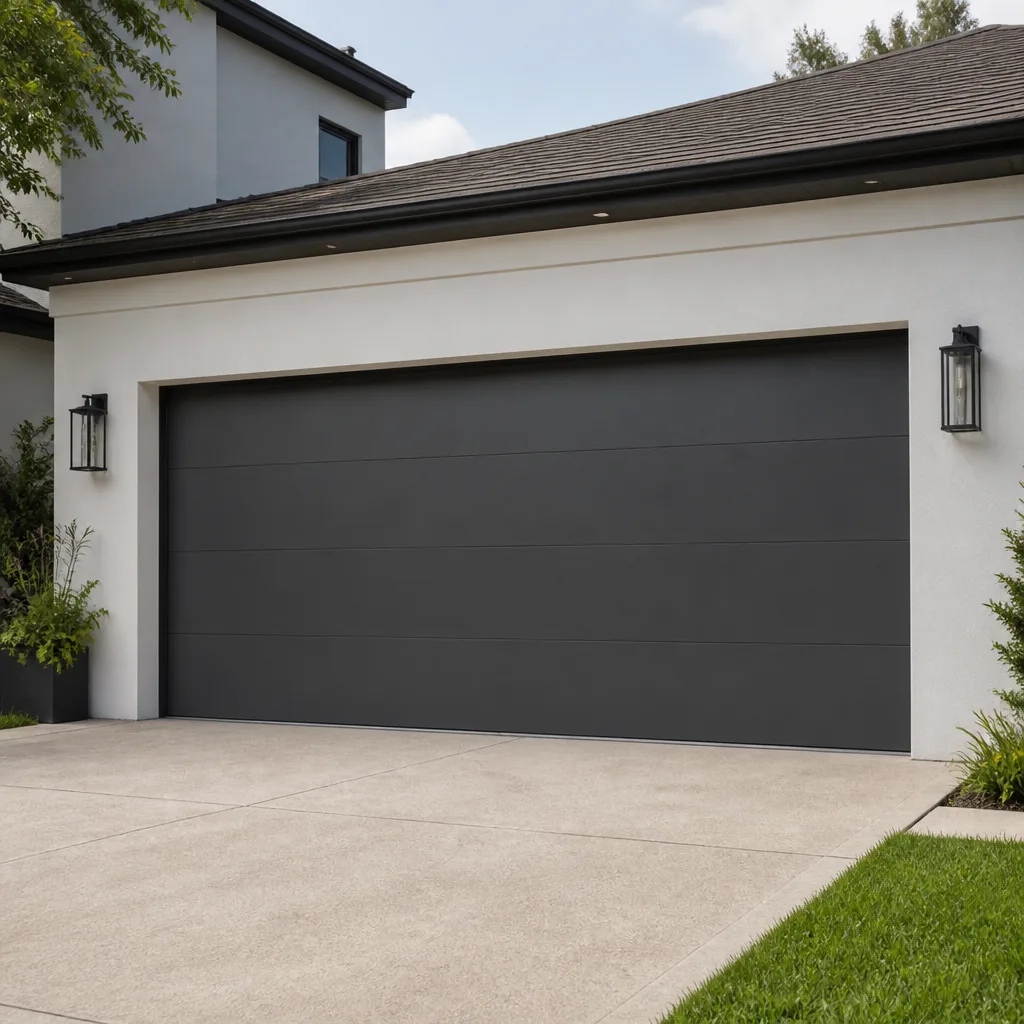 Modern flush
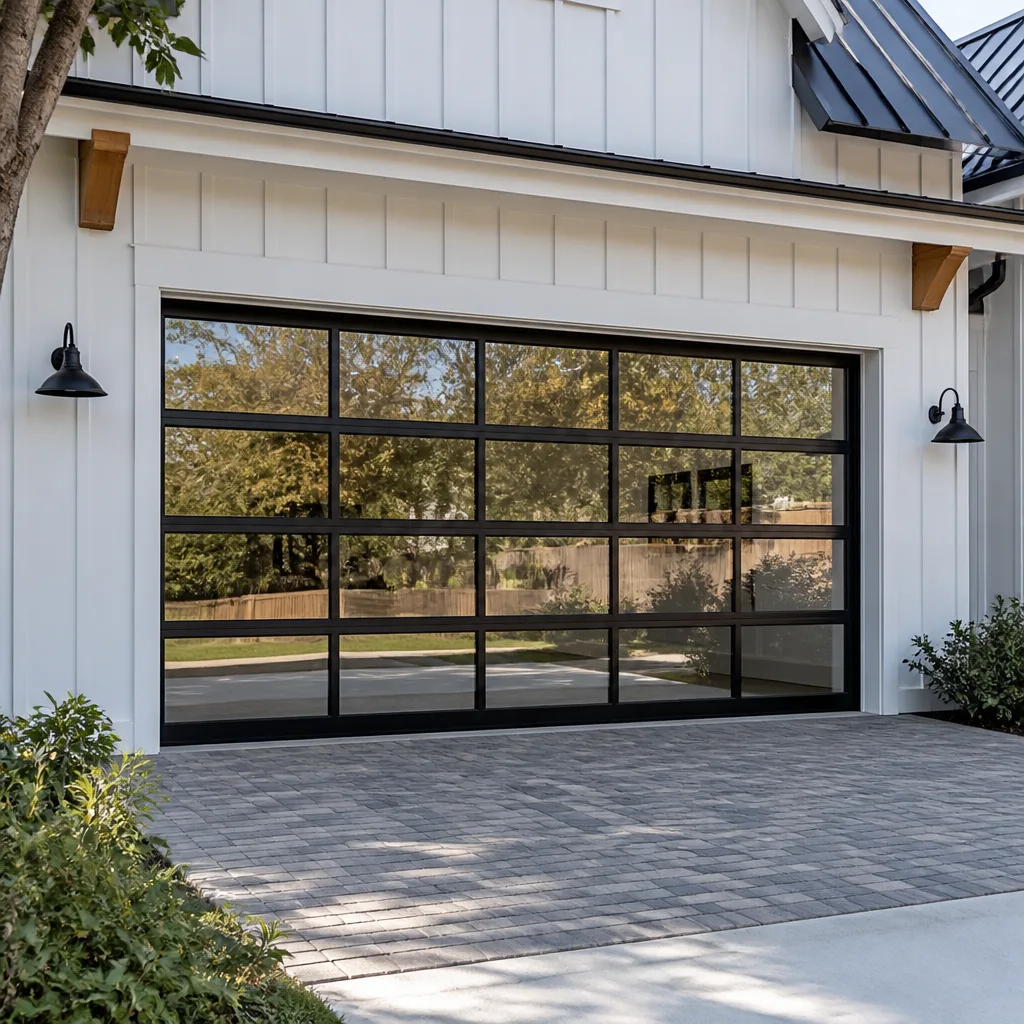 Full-view glass
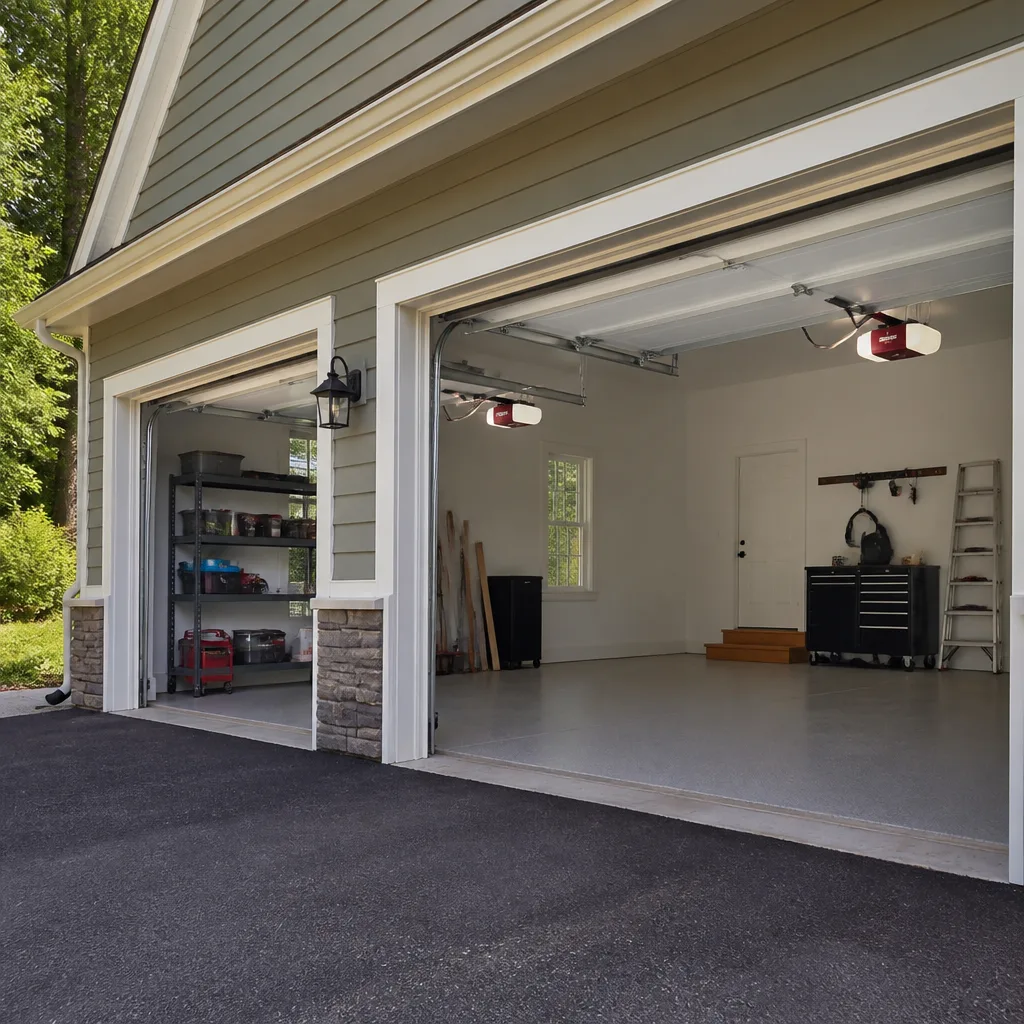 LiftMaster openers
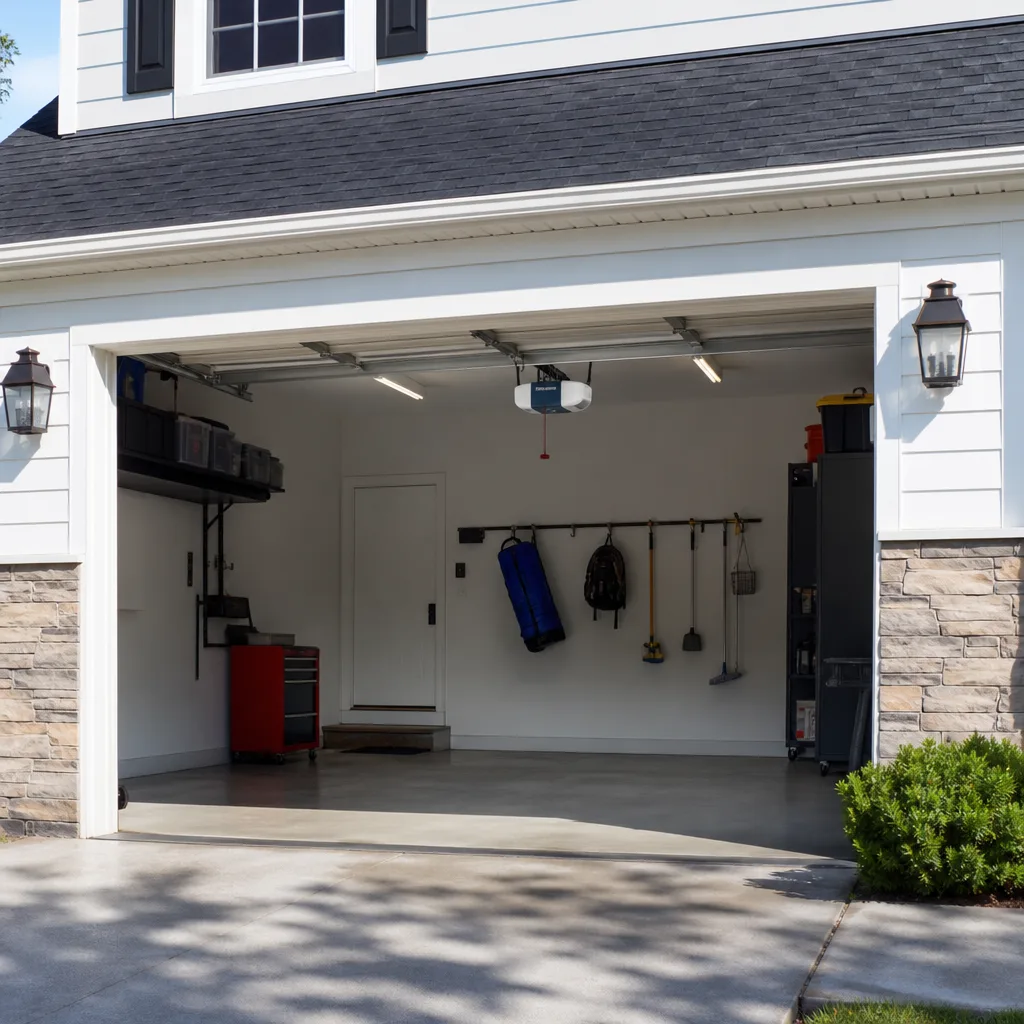 Chamberlain openers
Full 25-point door and opener safety check with every visit - springs, cables, rollers, tracks, and your LiftMaster or Chamberlain opener included
You get a price before we start. It does not change when the truck arrives.
Get your free estimateGarage Door Permits, Codes & Inspections in TX: What You Need to Know
A homeowner in Round Rock discovered at closing that an unpermitted garage door replacement flagged their home inspection. The permit would have cost $45 and taken one afternoon to pull. Instead, the sale stalled for three weeks while the title company sorted out the paperwork. This happens more often than most Austin homeowners realize. In this guide, we’ll walk through exactly when a permit is required in Austin, what “to code” actually means for your door and spring system, how HOAs complicate the picture, and the inspection sign-off steps that protect you when you eventually sell. For more guides & resources, see our blog.
Styles & brands we work with
Quick Answer
In Austin, a like-for-like garage door replacement rarely requires a city permit, but any work that modifies the structural opening, moves a header, or converts a garage to living space does. Always check with the City of Austin Development Services Department before cutting into framing.
The catch: even when the city doesn’t require a permit, your HOA may require design review approval, and unpermitted structural work can surface during a sale and delay closing. A permit is cheap insurance. The inspection sign-off is what protects you years later.
Table of Contents
- When Austin Requires a Garage Door Permit
- HOA Deed Restrictions vs. City Code
- What “To Code” Means for Garage Door Systems
- How to Pull a Homeowner Permit Yourself in Austin
- The Inspection Step That Matters When You Sell
- Permit Costs and Timeline in the Austin Area
- Common Mistakes to Avoid
- When to Call a Professional
- Frequently Asked Questions
- The Bottom Line
When Austin Requires a Garage Door Permit
Chapter 25 of the Austin City Code is the governing document for building permits within city limits. Most homeowners never read it, and that’s why the Round Rock story keeps repeating itself in neighborhoods like Mueller, Circle C, and Allandale. The distinction is simple once you know the language.
A permit is generally not required when you’re replacing an existing garage door with a new one of the same dimensions, using the existing opening and header. A new door, new tracks, new springs: all fine without a city permit. This is a maintenance and replacement activity, not a structural change.
A permit is required when the work changes the structural opening in any way. That includes:
- Widening the opening to fit a larger door
- Raising the header to accommodate a taller door or higher-lift track system
- Cutting a new opening where none existed
- Converting a carport to an enclosed garage
- Converting a garage to living space, which often involves removing or sealing the door
In our experience across Austin, the most common permit trigger we see is the high-lift conversion. Homeowners want a lift system that lets them stack storage up to the ceiling or install a car lift, and that requires moving the horizontal track run up near the roof deck. The header often needs reinforcement. That’s structural work, and it needs a permit and an inspection.
If the work is a straight swap, the city doesn’t care. If the saw comes out for the framing, the permit comes first.
HOA Deed Restrictions vs. City Code
Here’s the part most Austin homeowners miss entirely: city code and HOA deed restrictions are two separate layers of authority, and the HOA layer often bites harder. A city permit covers safety, structure, and code compliance. An HOA design review covers appearance, materials, and neighborhood character. You may need approval from both, for different reasons.
In master-planned communities like Steiner Ranch, Avery Ranch, and parts of Round Rock, deed restrictions commonly regulate garage door style and material. A typical clause requires that all garage doors on a street face match, or that they be made of a specific material like wood or wood-look steel, or that they use specific panel patterns. Some HOAs require carriage-house style doors. Others prohibit windows in garage doors facing the street.
This matters because the city won’t help you with HOA compliance. A city inspector couldn’t care less whether your Amarr door matches the neighbor’s Wayne Dalton. But the HOA can levy fines, issue correction notices, and in some cases place a lien on the property if you install a door that violates the deed restrictions without approval.
Before you buy a new door in an HOA neighborhood, pull your deed restrictions and look for the architectural control section. Submit a design review application with the door’s make, model, color, and material. Approval typically takes two to four weeks in Austin-area HOAs. It’s an annoying step, but it’s far less annoying than a violation letter or a demand to remove a door you just spent $2,500 on.
The same logic applies in reverse: an HOA approval does not substitute for a city permit. They’re separate processes, run by separate bodies, serving separate purposes.
What “To Code” Means for Garage Door Systems
“To code” gets thrown around by contractors the way “organic” gets thrown around at a farmers market, often without much behind it. For garage doors in Texas, the governing standard is the current International Residential Code (IRC) as adopted by the state and amended by the City of Austin. The relevant sections are R309 for garages and R312 for fall protection and safety devices.
For the door itself, code compliance means:
- The door must meet wind load requirements for the Austin area. Austin sits in a moderate wind zone, but local amendments typically require doors to be tested to specific positive and negative pressure ratings.
- The door must have a functioning auto-reverse mechanism that stops and reverses the door when it encounters resistance. This is tested with a 2×4 laid flat on the ground.
- Photo-eye sensors must be installed no higher than 6 inches above the floor, on both sides of the opening.
- Manual release mechanisms must allow operation of the door from outside during a power outage.
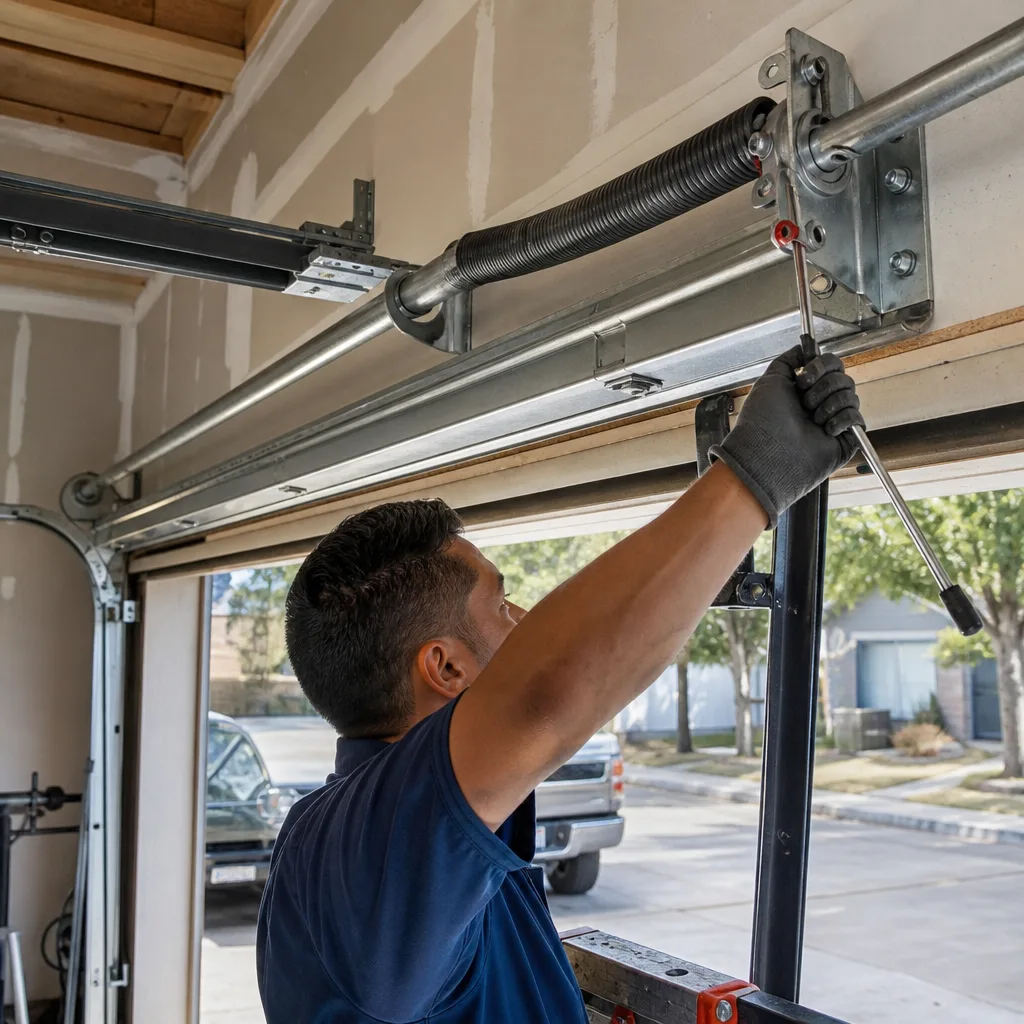
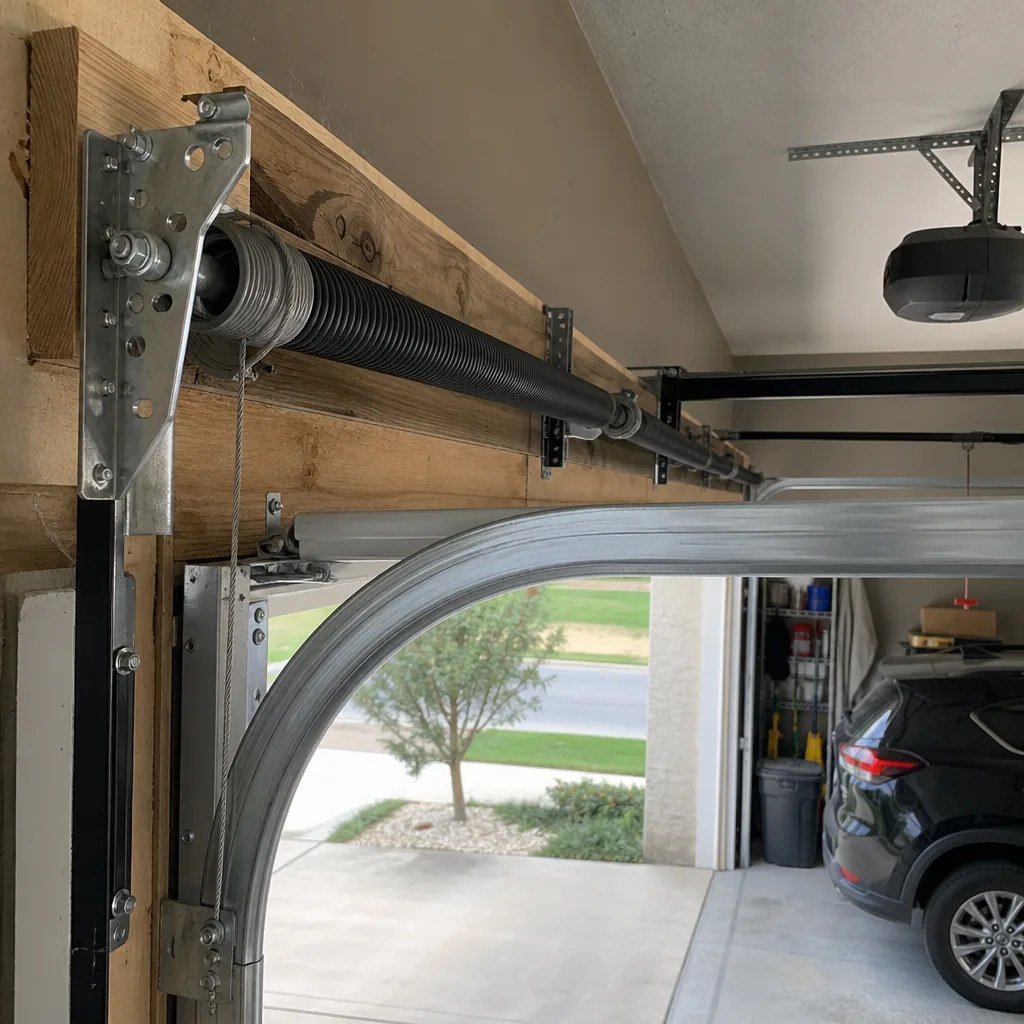
For the torsion spring, the heavy coil mounted above the door that handles most of the lifting weight, “to code” under IRC means the spring must be sized to the door’s exact weight and cycle rating. A spring rated for 10,000 cycles costs more than one rated for 5,000 cycles, but it lasts roughly twice as long. Most builders install the cheapest spring that meets minimum code. Most homeowners never know the difference until the spring breaks.
For the header, which is the structural beam spanning the top of the opening, code compliance means the header must be sized to carry the roof and floor loads above it without deflection. When someone widens a garage opening without an engineer’s approval, the header sags. The door binds. The rails twist. The problem compounds over years, and by the time it’s visible, the repair is expensive.
In Austin specifically, the clay-heavy soils in areas like Pflugerville and Manor create foundation movement that stresses garage door framing. A door that was perfectly square on install day can be binding at the corners five years later as the slab shifts. That’s a local code reality most national garage door guides never mention.
How to Pull a Homeowner Permit Yourself in Austin
If you’re doing structural work and your contractor won’t pull the permit, or you’re doing the work yourself, the City of Austin allows homeowners to pull permits on their own property. Here’s the process, step by step.
- Confirm the work requires a permit. Call the City of Austin Development Services Department at (325) 246-2936 and describe the scope. They’ll tell you whether you need a building permit, a trade permit, or nothing at all.
- Gather your documents. For structural work, you’ll typically need a site plan, a drawing of the proposed opening showing dimensions and header size, and sometimes an engineer’s letter if the span exceeds prescriptive code limits.
- Submit the application. Austin accepts residential permit applications online through the Austin Build + Connect portal. The fee for a simple residential alteration permit is typically under $100 in the Austin area. Most garage door opening modifications fall into the “alteration” category.
- Wait for plan review. Simple residential permits in Austin usually clear plan review in 1-2 weeks. The city publishes current turnaround times on its website.
- Do the work with the permit posted. The permit must be displayed on the job site in a visible location, usually a front window near the door.
- Schedule the inspection. Call the inspection line or use the online portal. The inspector will check the header, the framing, and the door installation against the approved plans. You’ll get a green tag or a correction notice.
- Keep the sign-off. The final inspection sign-off is the document that matters at closing. File it with your home records, not in a drawer you’ll forget.
The permit process in Austin is not difficult for a homeowner willing to make a few phone calls and wait a couple of weeks. What it is, is time-consuming. That’s why most homeowners let a contractor handle it. If you’re using a contractor, ask directly: “Will you pull the permit, and will you show me the final inspection sign-off?” A contractor who hesitates is a contractor who has done unpermitted work before. Our How to Hire a Garage Door Contractor in Austin: A Step-by-Step Guide covers the key questions to ask.
The Inspection Step That Matters When You Sell
Here’s the step most contractors skip, and it’s the one that bites Austin homeowners at closing. A permit has two parts: the issued permit and the final inspection sign-off. Pulling the permit without closing it out is worse than never pulling it at all, because a title search will turn up an open permit on the property.
An open permit is a red flag to buyers, title companies, and lenders. It says: work was done, a permit was started, and nobody ever verified the work was done correctly. When the Round Rock homeowner’s unpermitted door replacement flagged the inspection, the root cause was that a previous owner had modified the opening and never pulled a permit at all. The fix took three weeks of retroactive paperwork.
For structural header work, the final inspection matters more than for any other garage door project. Here’s what an inspector actually checks on a modified opening:
- Header size and material against the approved plans
- Jack studs and king studs properly installed to carry the load
- Proper fastening schedule, including nails and hurricane ties
- Door installed squarely and operating without binding
- Safety devices functioning as required by code
When the inspector signs off, that sign-off travels with the property. It’s proof to the next buyer that the structural change was done to code and verified. Without it, the new buyer’s home inspector will flag the modified opening as “unable to verify structural integrity,” and the buyer will ask for a structural engineer’s report at your expense. The engineer’s report costs more than the permit would have.
Permit Costs and Timeline in the Austin Area
The definitive Austin-area garage door question is always about money. Here’s the breakdown as of this writing, based on current City of Austin fee schedules and typical contractor charges.
- Like-for-like garage door replacement: No permit required, no city fee, no inspection. The only cost is the door and installation.
- Residential alteration permit for opening modification: $75-$350 in Austin city limits, depending on the work scope and valuation. Most simple header modifications land at the low end.
- Plan review: Included in the permit fee for simple residential work. Complex projects with engineering review cost extra.
- Inspection fee: Included in the permit fee for the first inspection. Re-inspections after a failed inspection typically cost $75-$150.
- HOA design review application: $25-$100 depending on the association. Some Austin HOAs waive the fee for like-for-like replacements.
- Contractor markup for permit handling: $150-$400. This covers the contractor’s time to fill out the application, post the permit, meet the inspector, and close out the job.
Timeline: a simple permit in Austin clears plan review in 5-10 business days during normal periods. Peak construction season, which in Austin runs March through June, can add a week. The inspection itself typically happens within 2-3 days of the request. An HOA design review adds 2-4 weeks on top of the city timeline, so start that process first if you’re in an HOA.
For a straight door replacement with no structural changes, the whole process drops to zero permits and zero waiting. That’s the case where a homeowner in Tarrytown or Hyde Park can replace a door this week without talking to the city at all.
Common Mistakes to Avoid
- Assuming “replacement” never needs a permit. A straight swap doesn’t, but a swap that involves a different size door or moving the track system does. The opening, not the door, determines the permit requirement.
- Taking the contractor’s word without checking. Some contractors say “no permit needed” because it’s faster for them, not because it’s true. Call the City of Austin and verify.
- Forgetting the HOA layer. In neighborhoods like Steiner Ranch and Avery Ranch, the HOA can and will make you replace a door that violates design guidelines. City approval doesn’t protect you from HOA penalties.
- Pulling a permit and never closing it out. An open permit on a property is a title problem. Always get the final inspection sign-off and file it.
- Modifying a header without an engineer’s review. In Austin’s clay soils, a sagging header causes door binding that gets worse every year. The engineer’s letter is cheaper than the structural fix later.
- Replacing a door without checking the spring cycle rating. A builder-grade spring rated for 5,000 cycles will fail years sooner than one rated for 10,000. This is a code minimum versus quality distinction, and most homeowners never get the choice explained to them.
- Throwing away the paperwork. The permit, the HOA approval, the inspection sign-off: keep them all. They protect you at resale.
Our Garage Door Installation in Austin page covers how these pieces fit together when you’re buying a new door rather than repairing an existing one.
When to Call a Professional
If your project involves moving a header, widening an opening, or any structural alteration, hire a contractor who will pull the permit, schedule the inspection, and hand you the sign-off. This is not a handyman job, and it’s not a door-company job unless the company has a general contractor license and structural experience. In Austin, the best garage door companies handle the door, the tracks, and the springs. The structural framing work is its own trade.
For like-for-like replacements, the threshold for calling a professional is lower. A new door install is within reach for a skilled DIYer, but the torsion spring adjustment afterward is genuinely dangerous. Torsion springs are under enough tension to cause serious injury. In our experience, most Austin homeowners are comfortable with the job right up until the spring needs winding. That’s the moment to call someone who does this every week. Watch for these Garage Door Warning Signs: A Austin Homeowner’s Reference Guide to catch problems early.
If you’re in Austin and want a straight answer on whether your project needs a permit, or a written quote on a replacement that doesn’t, call Bramwell Garage Doors Austin at (325) 246-2936. Estimates are free, and we’ll tell you honestly whether the city needs to be involved.
For a deeper look at how spring systems work and what they cost when they fail, our Garage Door Spring Repair in Austin page breaks down the numbers.
Frequently Asked Questions
No, not if you’re replacing the door with one of the same dimensions using the existing opening and header. Yes, if you’re changing the size of the opening, moving the header, or converting the garage space. The City of Austin treats like-for-like replacement as maintenance. Call (325) 246-2936 and we’ll help you determine which category your project falls into.
If the replacement truly was like-for-like, nothing happens at resale because no permit was required. If the work involved structural changes and no permit was pulled, the buyer’s home inspector may flag the modified opening, the title company may find no record of permitted work, and the sale can stall while you pull a retroactive permit or hire a structural engineer to write a report. In Austin’s competitive real estate market, a surprise at closing gives the buyer leverage to demand a price reduction.
For residential alteration work, the permit fee in Austin city limits typically runs $75 to $350 depending on scope and valuation. Re-inspections after a failed inspection add $75 to $150. Contractor markup for handling the permit adds another $150 to $400 if you don’t want to deal with the city yourself. The cheapest path is a like-for-like replacement with no permit at all.
You can install the door, the tracks, and the hardware yourself. The dangerous part is the torsion spring, which is under enough tension to break bone. We recommend hiring a professional for any spring winding or replacement. The City of Austin doesn’t license DIY work, but your safety is your own responsibility. If you get to the spring and feel unsure, stop and call (325) 246-2936. For routine upkeep, see our Garage Door Repair Maintenance Checklist for Austin Homeowners.
Yes, if your property has deed restrictions and a homeowners association, the HOA has independent authority over the appearance, material, and sometimes the color of your garage door. This authority exists separately from city code and applies even when no city permit is required. In master-planned communities around Austin, HOA design review approval is often mandatory before installation, and violations can result in fines or a demand to replace the door.
For the torsion spring, “to code” means the spring is sized to the door’s weight and rated for the number of open-and-close cycles it’s designed to handle. The IRC requires the door and all its components to function safely, and a spring that’s undersized or overstressed is a failure waiting to happen, usually at the worst time. Most builder-grade springs are rated for 5,000 cycles. Higher-rated springs last longer but cost more upfront.
If your questions center on a repair rather than a compliance issue, our Garage Door Repair in Austin page covers common failure points and what they cost to fix.
The Bottom Line
The permit question in Austin has a simple answer: like-for-like replacement, no permit needed. Structural modification, permit required. The HOA question is separate and easily overlooked: check your deed restrictions before you buy a door, especially in planned communities. The inspection sign-off is the document that protects you at resale, and an open or missing permit is a closing-table liability. A $45 permit and one afternoon of inspection time is far cheaper than a stalled sale or a retroactive engineer’s report. When in doubt, verify with the city, not just the contractor. And when it comes to the door itself, get the work done right the first time, with a written price and a written guarantee.
Written by Marcus Ellery, Owner at Bramwell Garage Doors Austin, serving Austin since 2001.
See the difference
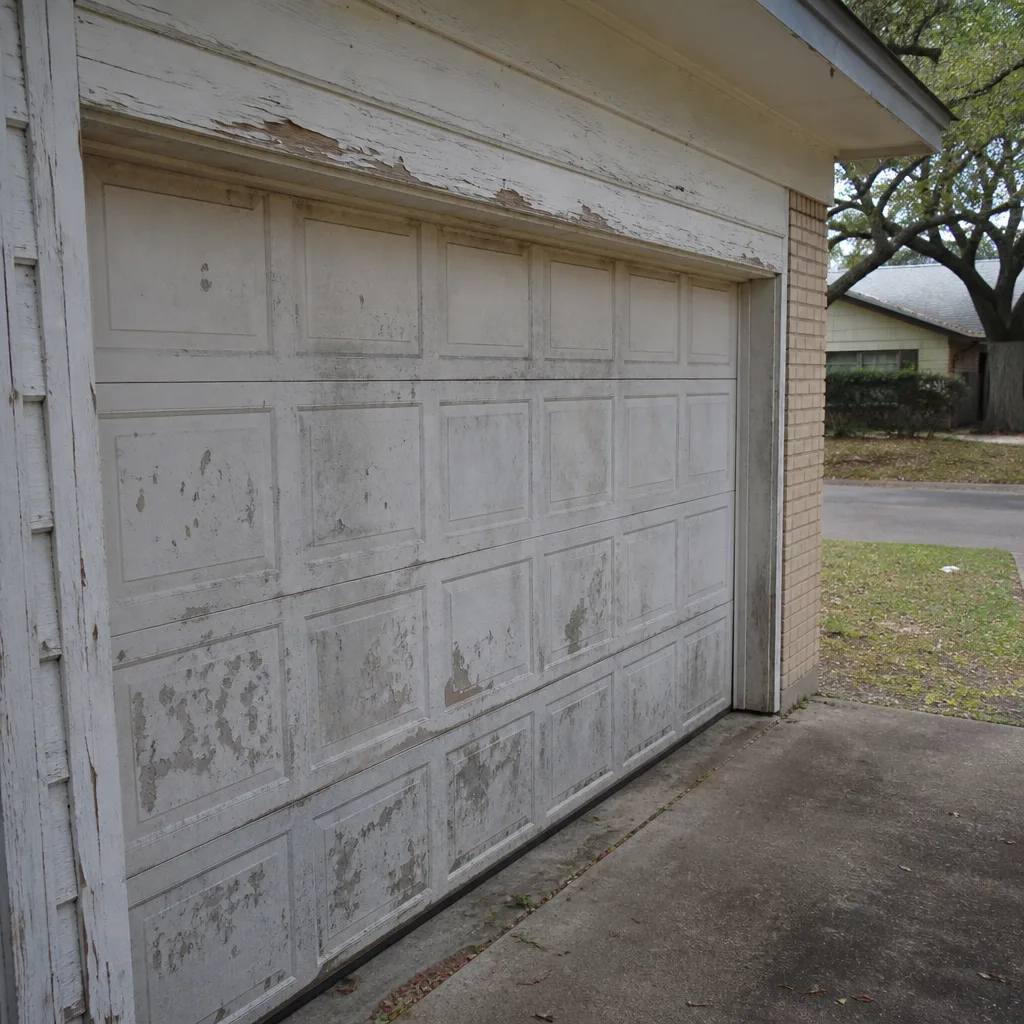 Before
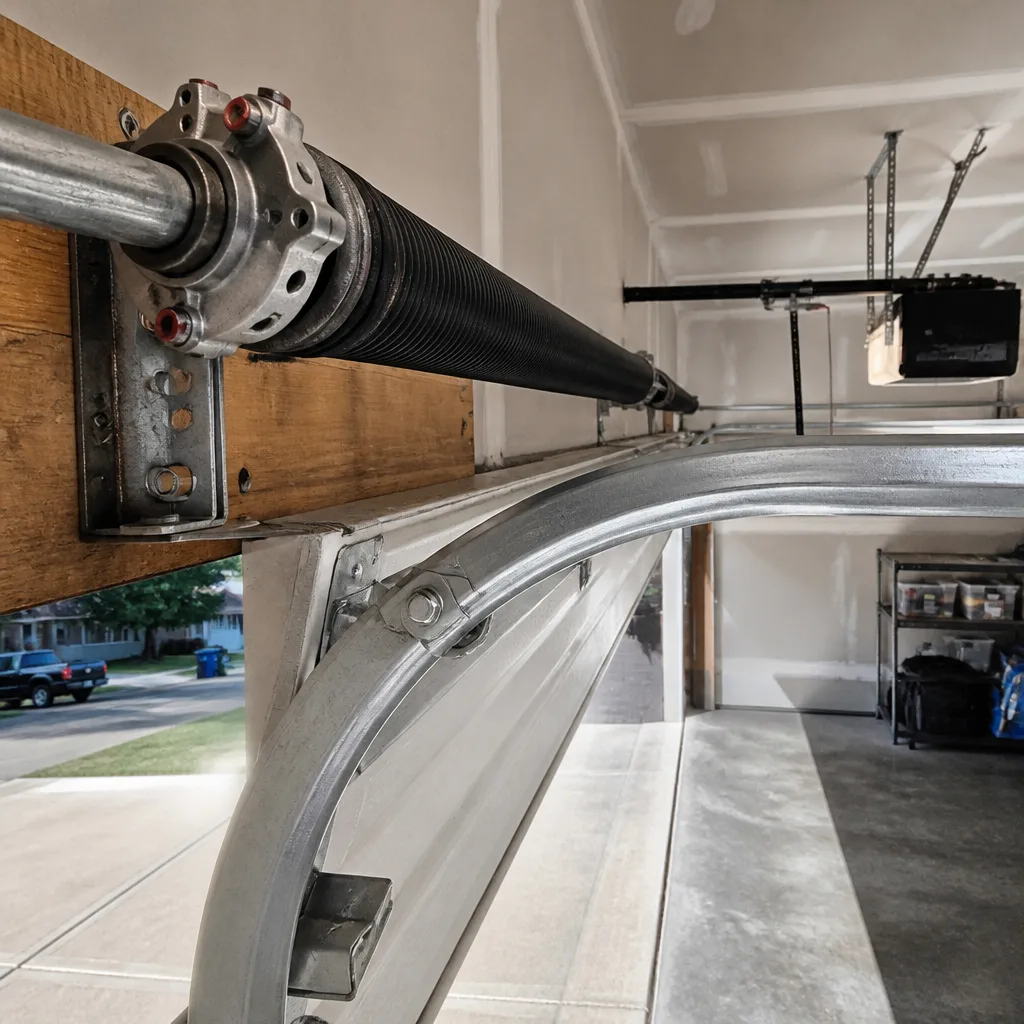 After
After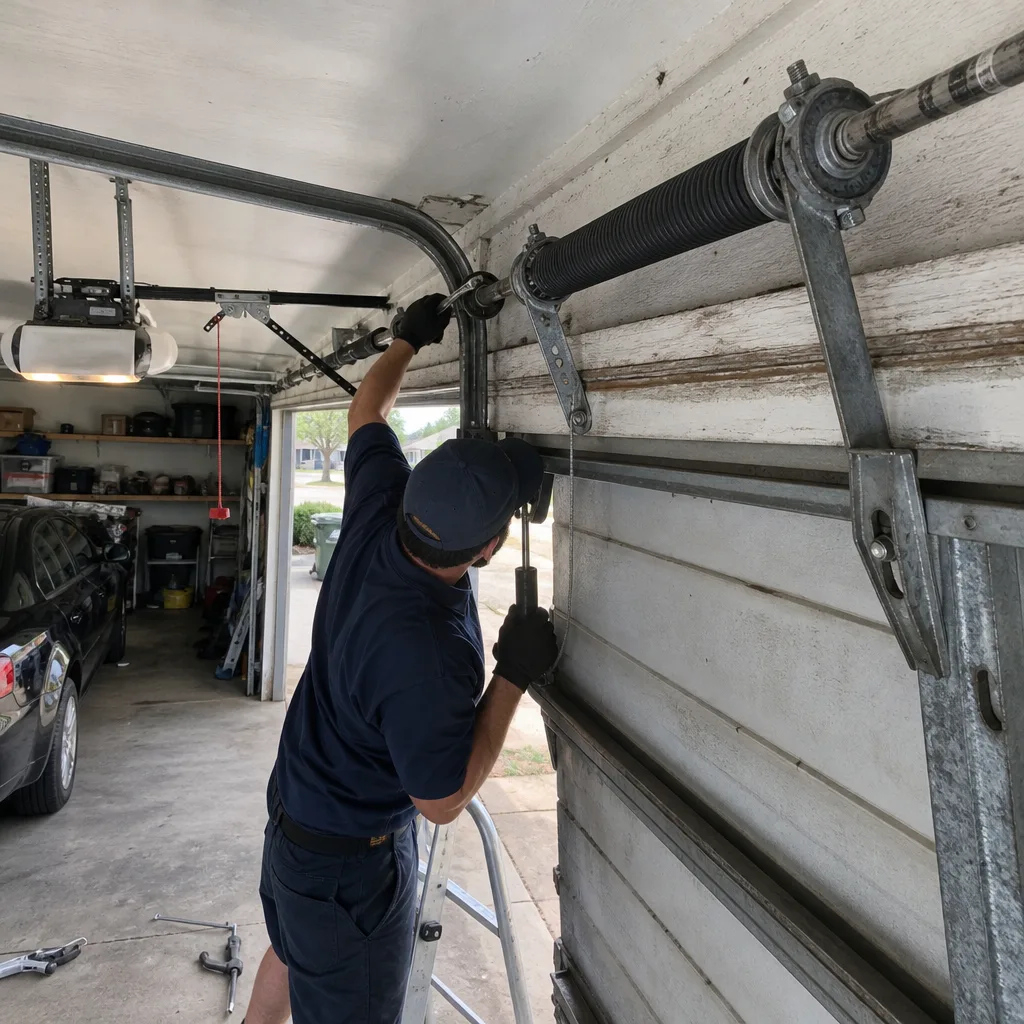 Before
 After
After Before
 After
After